Three Sisters
An exploration of abstract model-making using physical materials and Rhino 3D software.
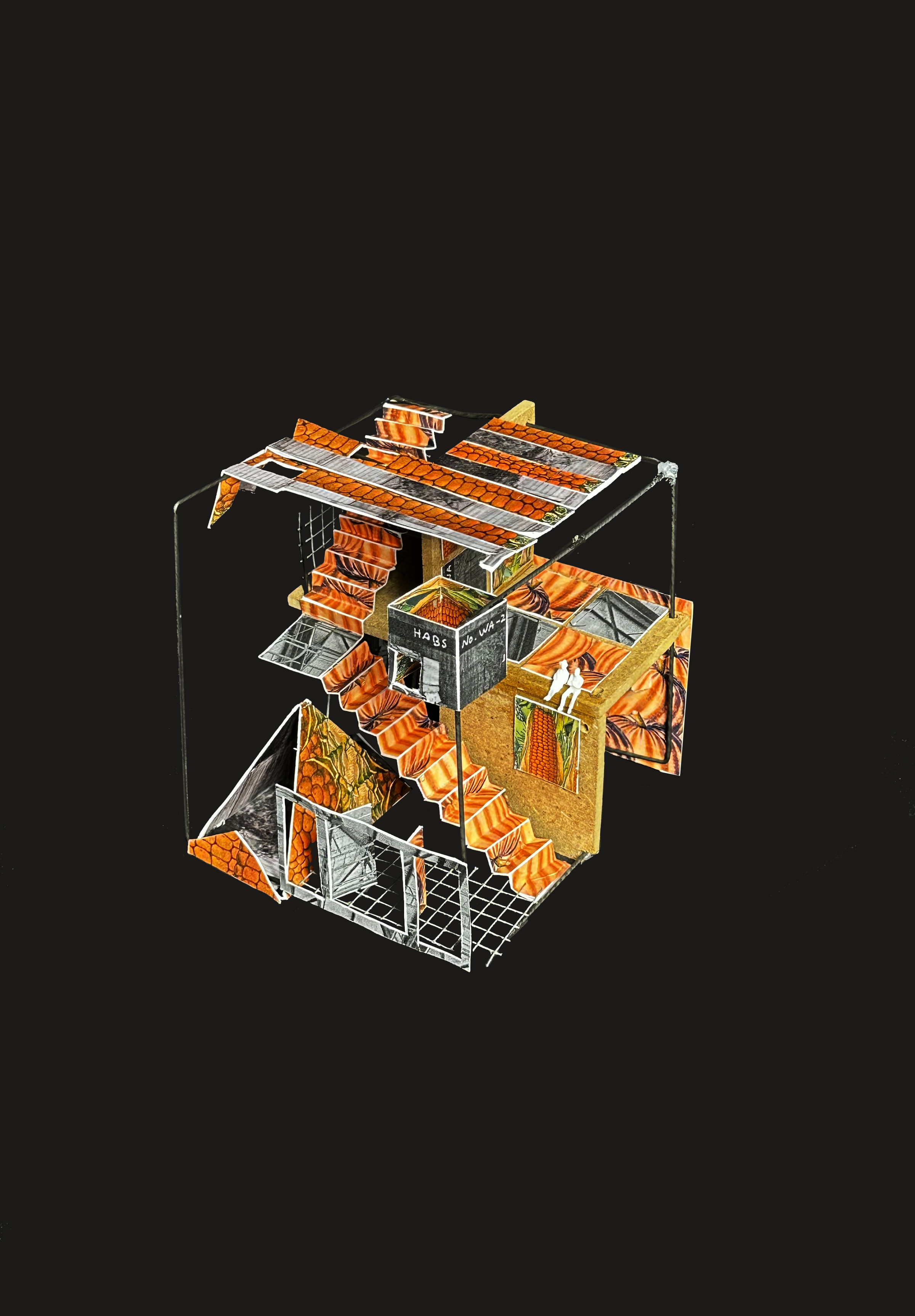
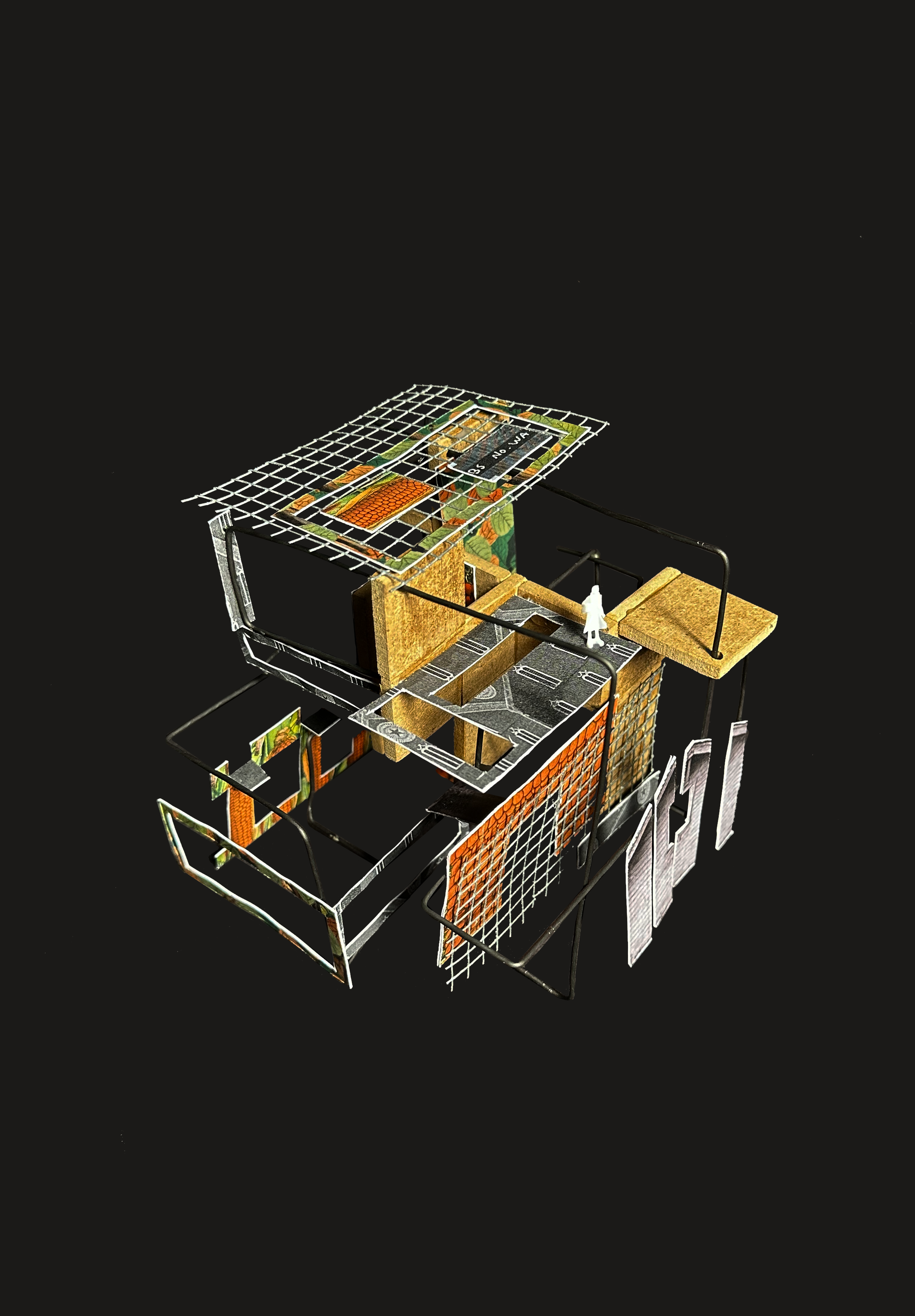
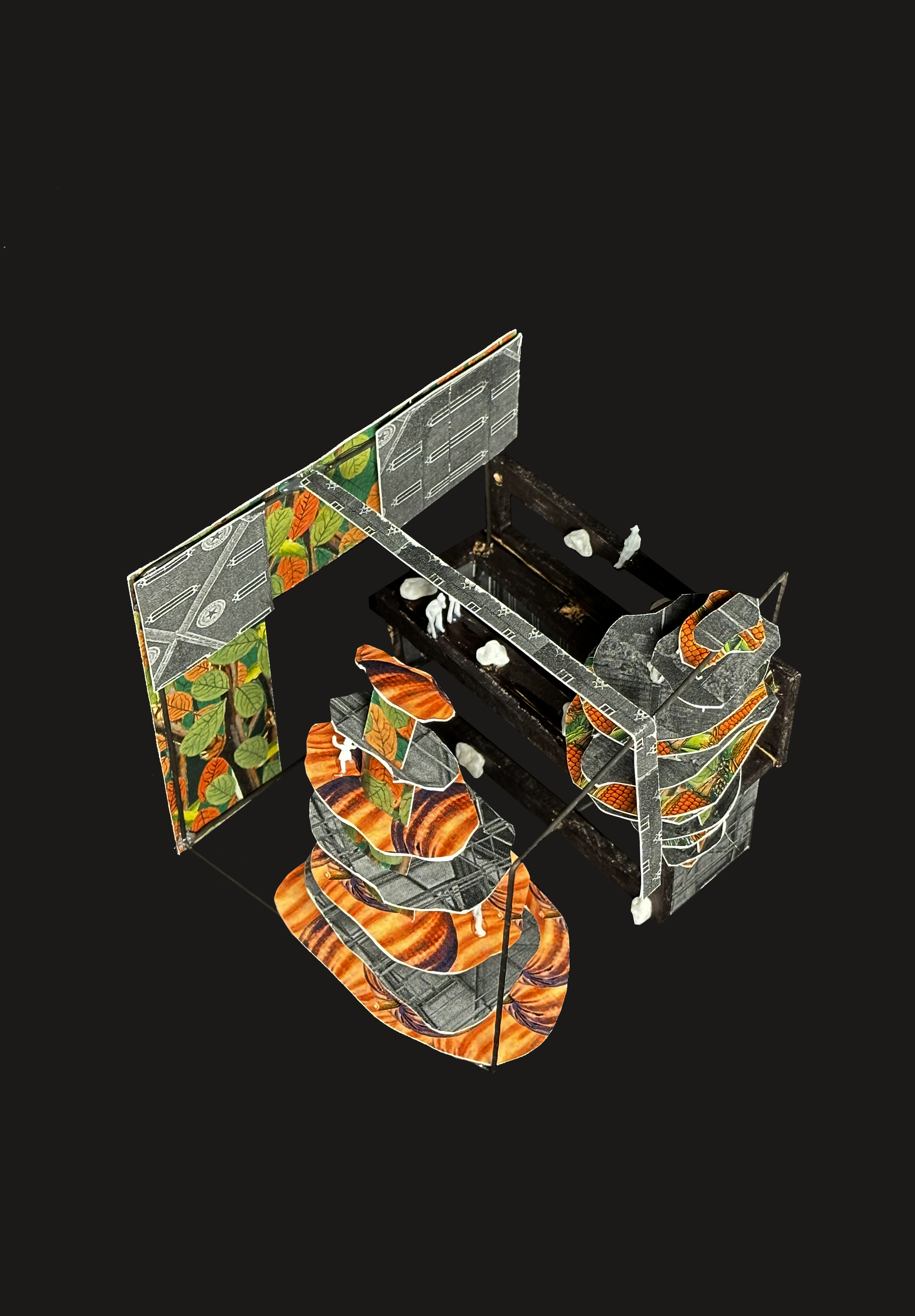
Inspiration behind the “Three Sisters” models:
Braiding Sweetgrass by Robin Wall Kimmerer
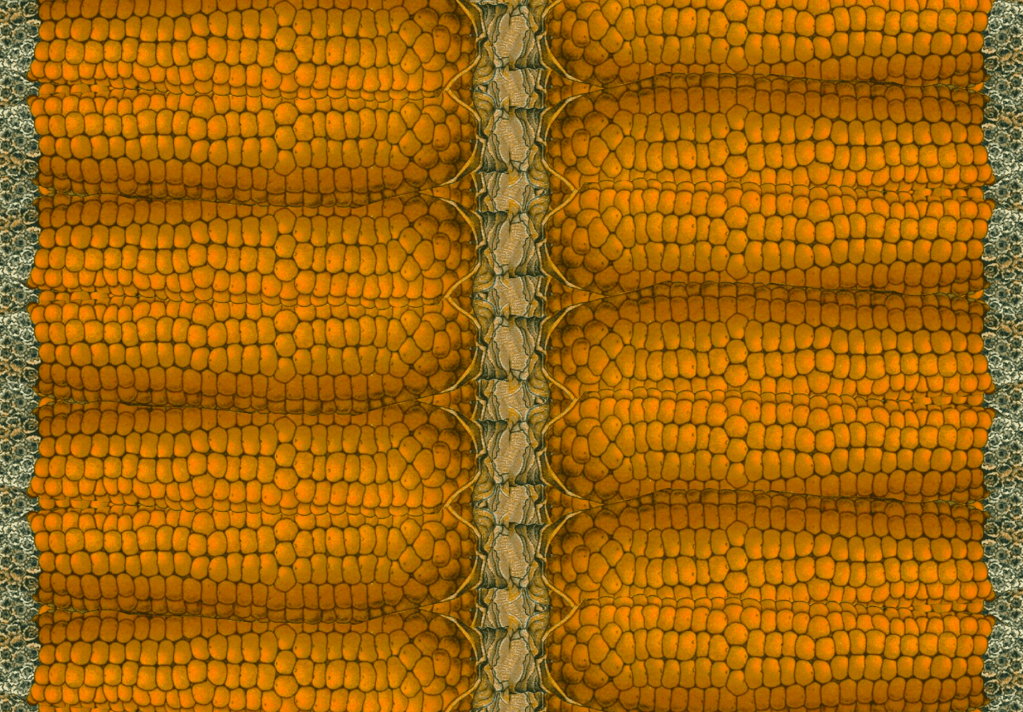
Recommended to me in high school, this book has left a significant mark on how I view my relationships with the world. One of the main topics I had taken away included the understanding of the three sisters — corn, beans, and squash — and how they are all vital in unison in order to enrich the growth of the other. The harmony between the three plants when grown on the same plot allows for fields to flourish and harvests to be plentiful.
In design, all components should be seen as equally important, no matter how small the detail may seem. Small building blocks make up the world around us, and if we view each part of the design process as a squash seed or an ear of corn, perhaps we can be more mindful of the importance on the little things that are frequently overlooked.
One story, four waves
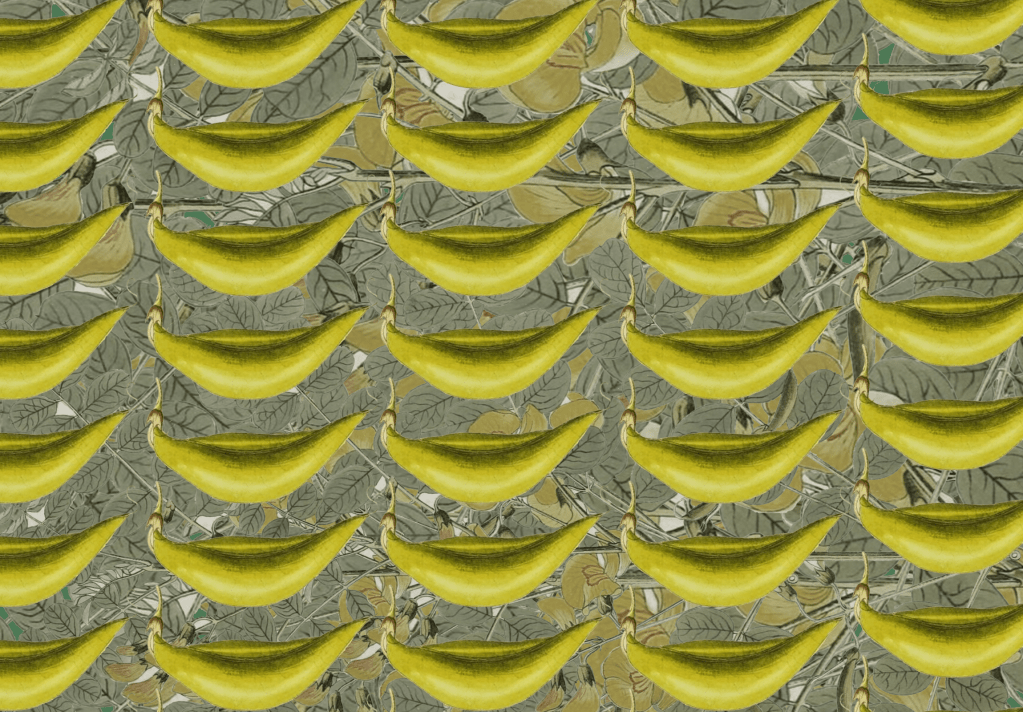
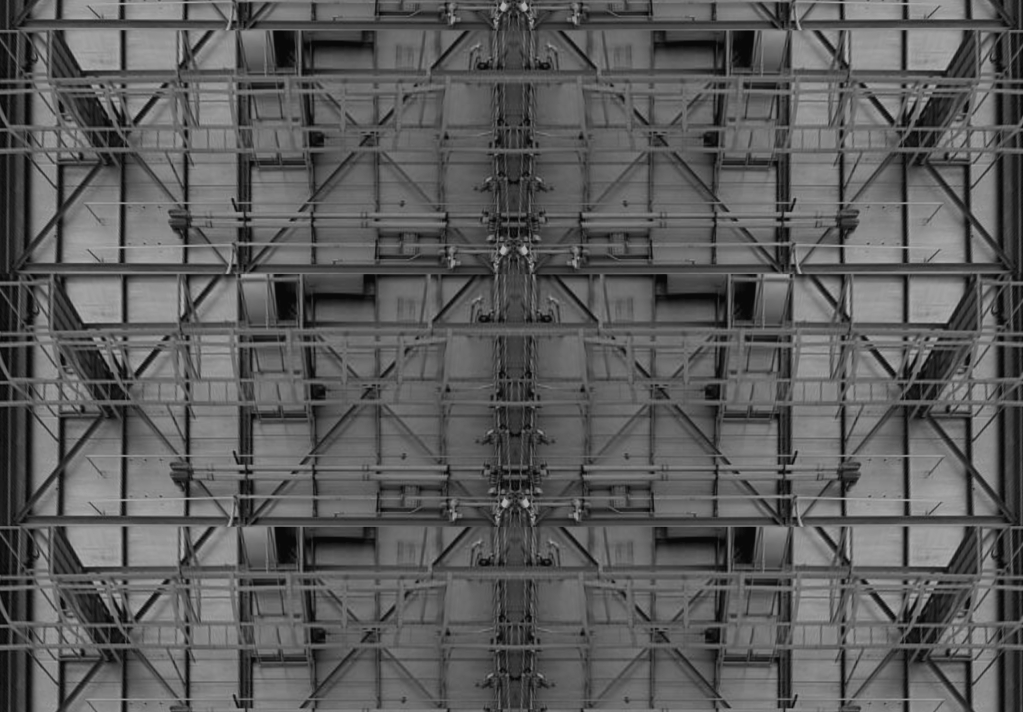
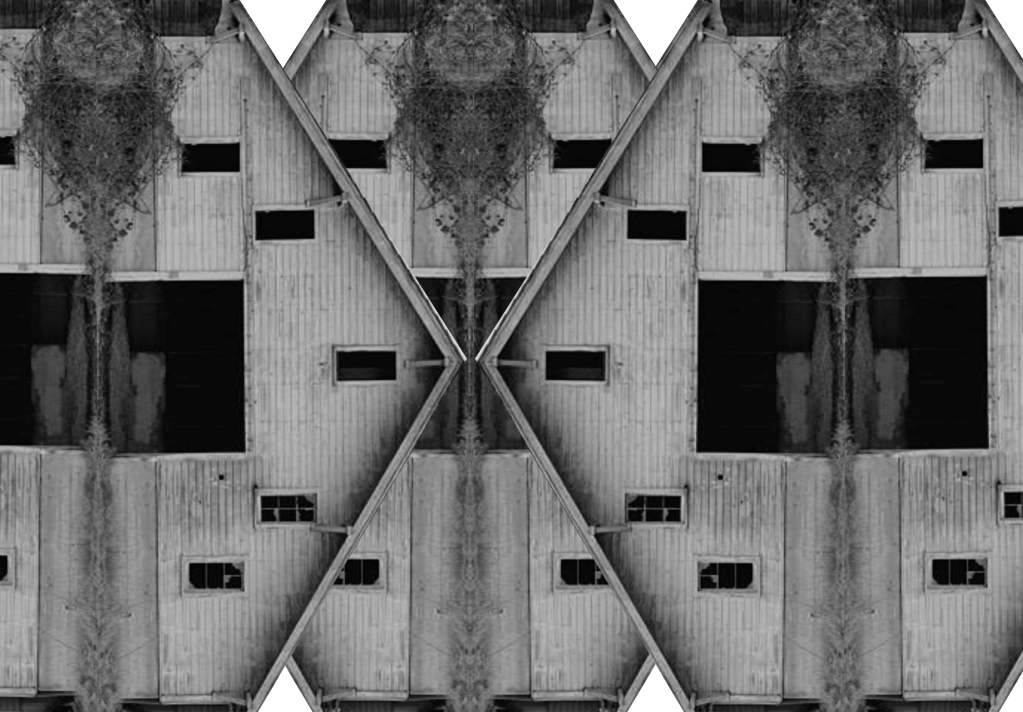
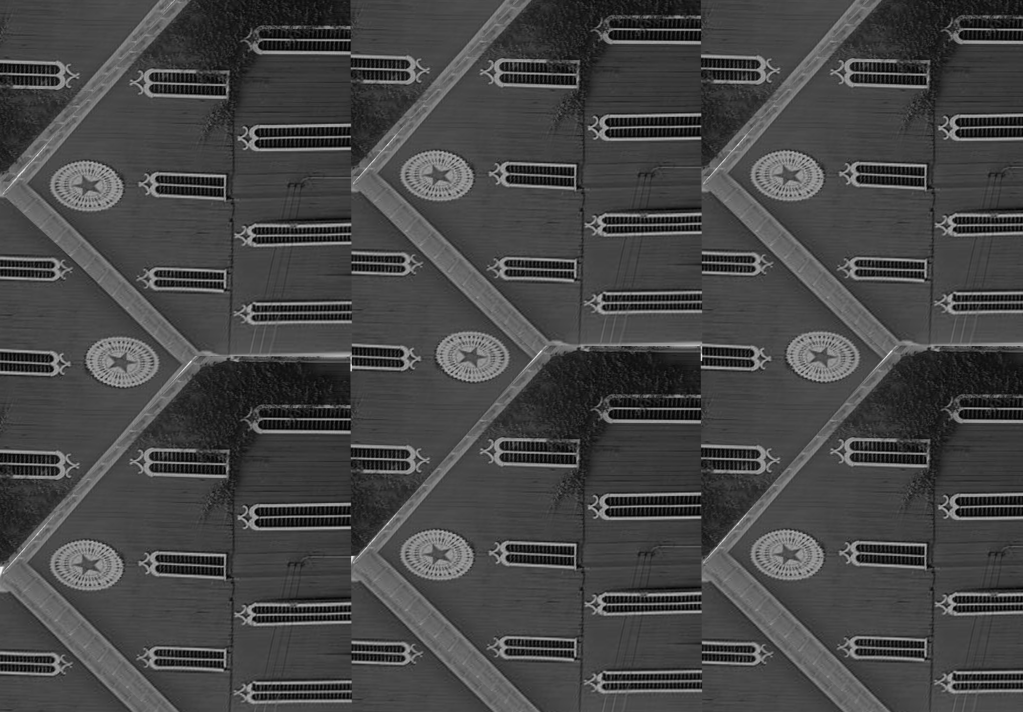
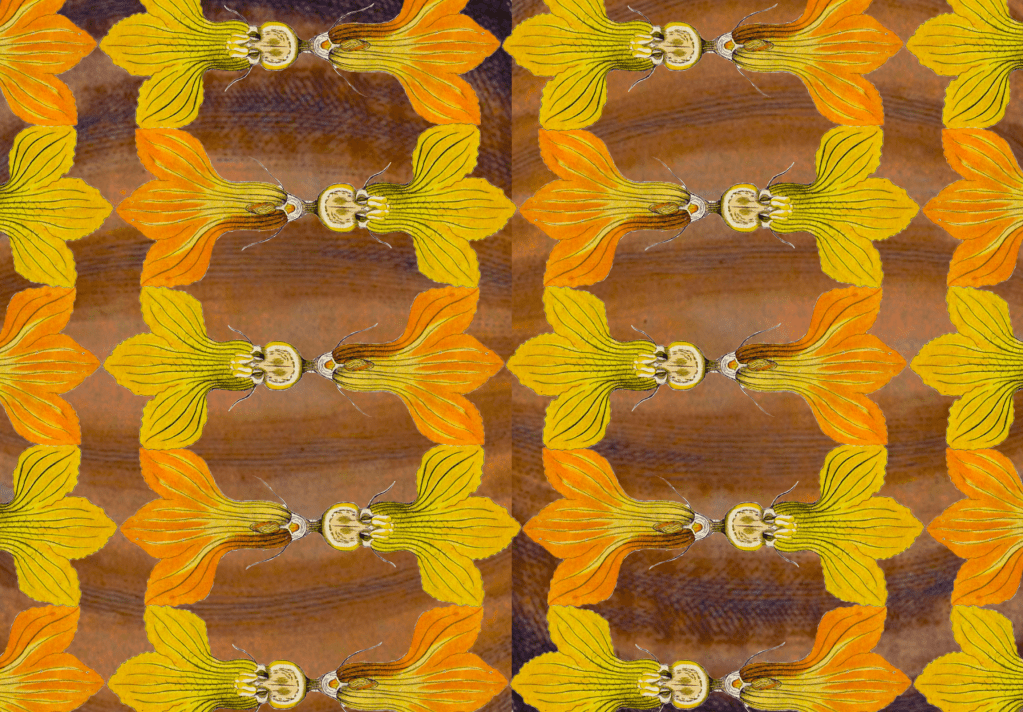
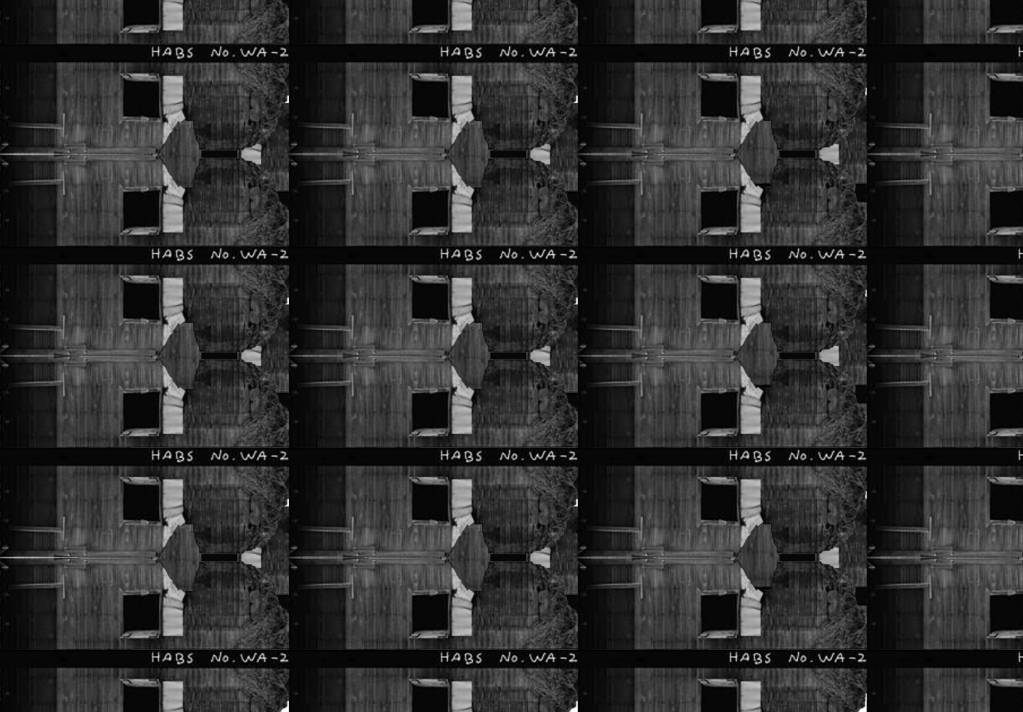
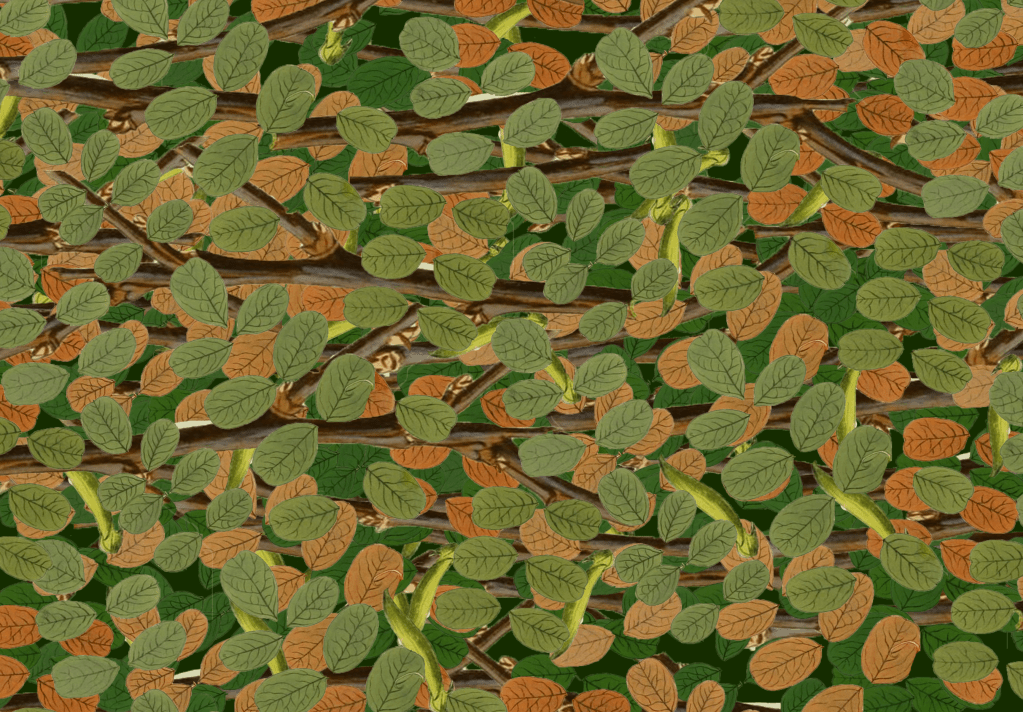
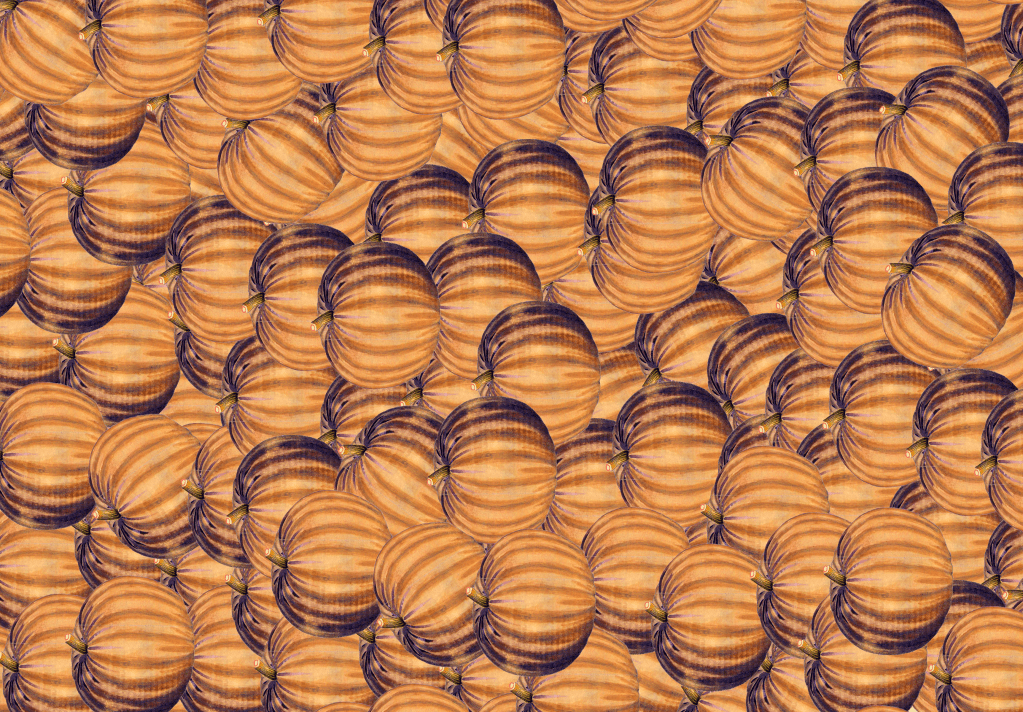
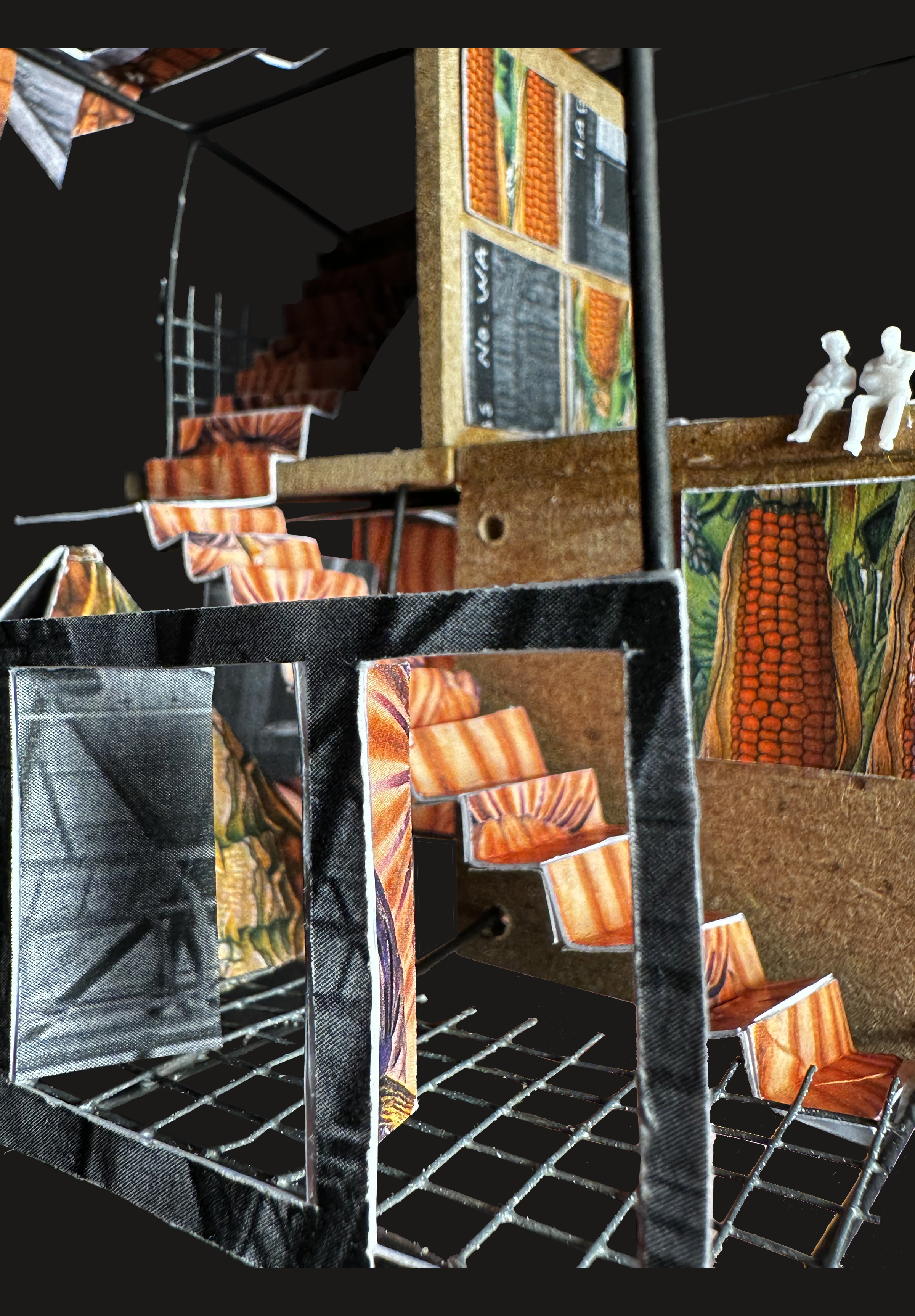
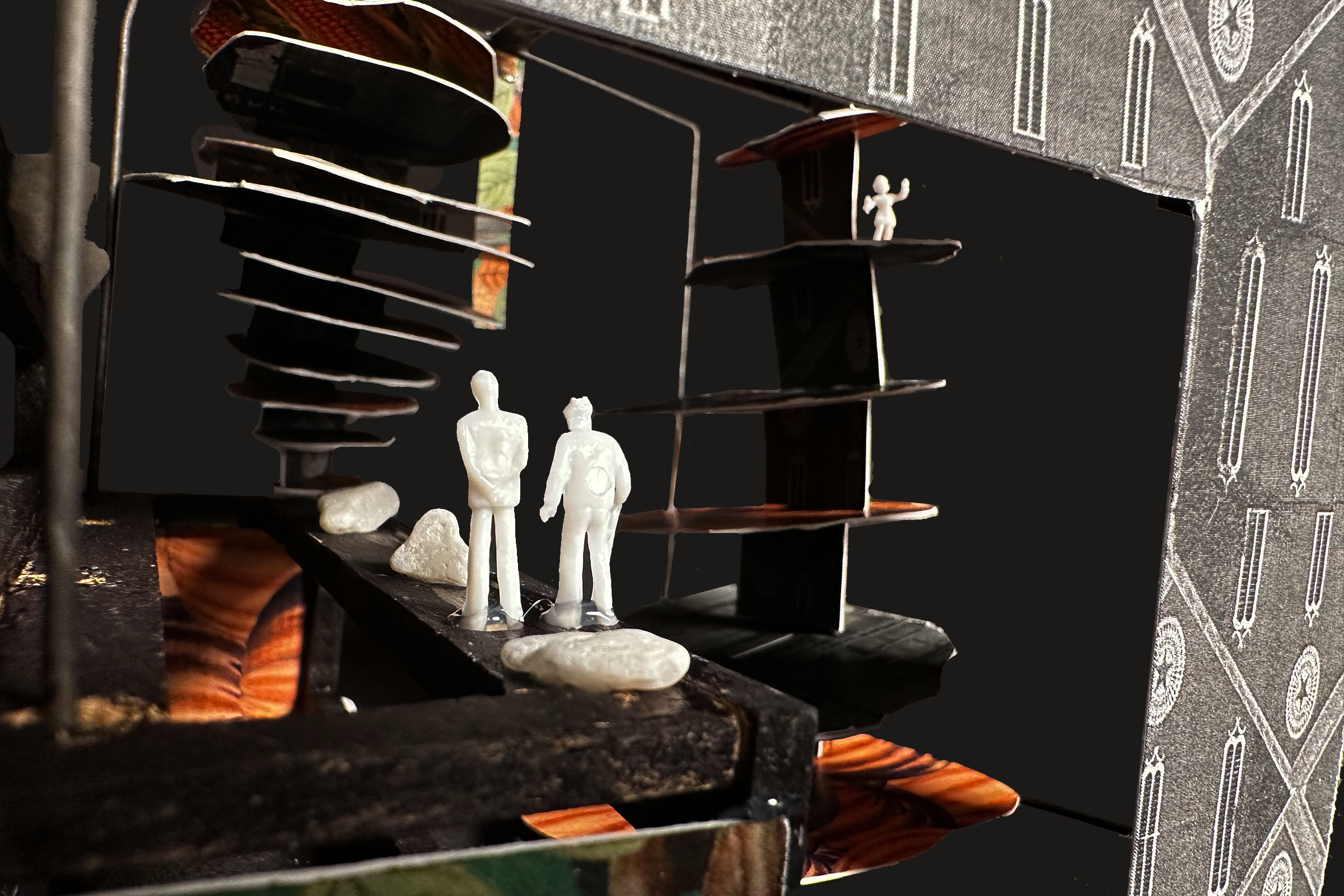
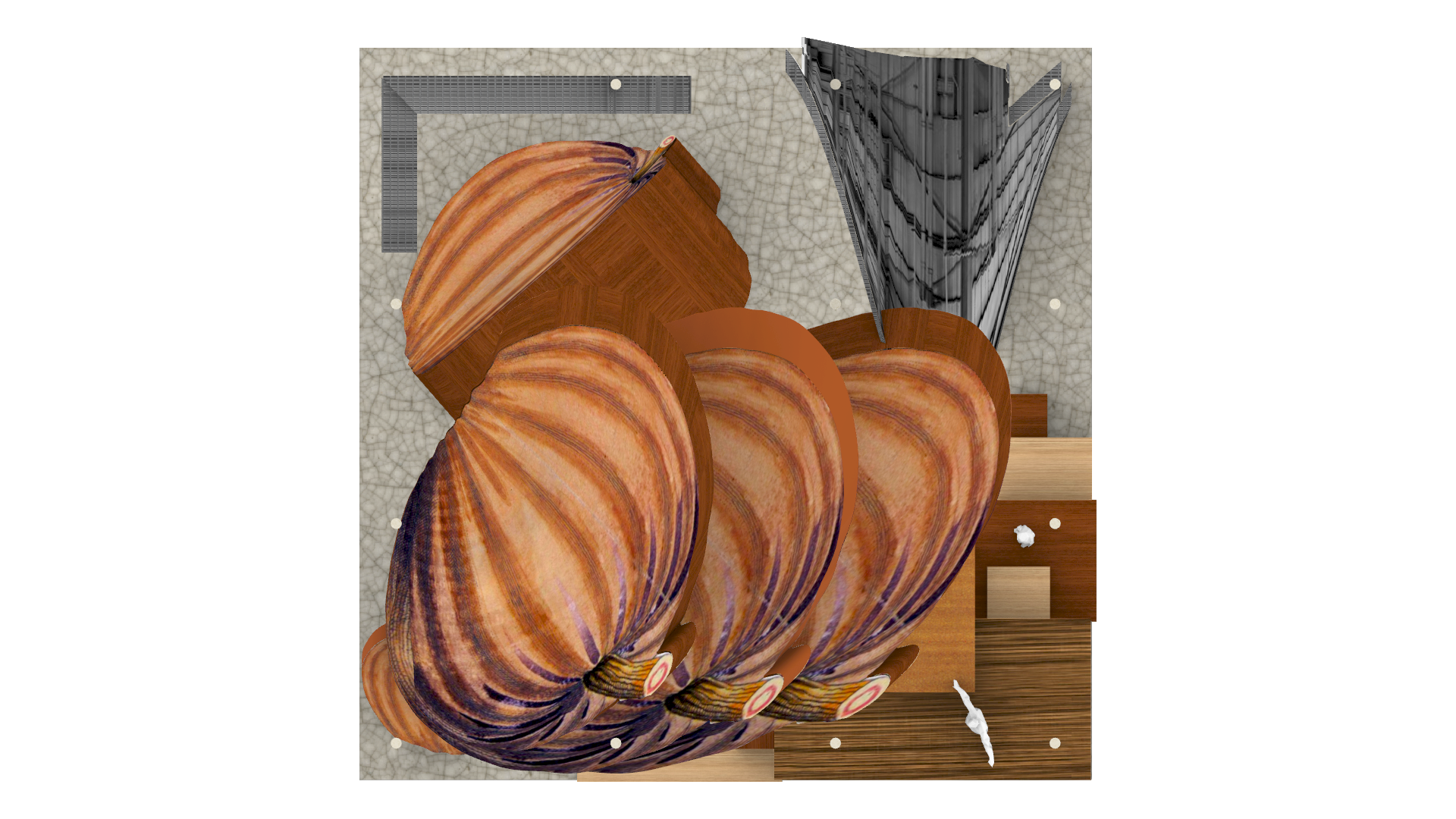
Using the same six original images, found from the Library of Congress database and the Biodiversity Heritage Library, four waves — each consisting of three models and ten collaged photos — were remixed to follow a narrative.
The first wave would explore shapes and the contrasts between 2D and 3D objects. The second wave focused more on rooms, imagining each base as a space that people can occupy. The third and fourth waves combined both ideas into something interactive, how a person can both occupy a space and engage with it.

Waves 1-3: Physical Models & Drawings
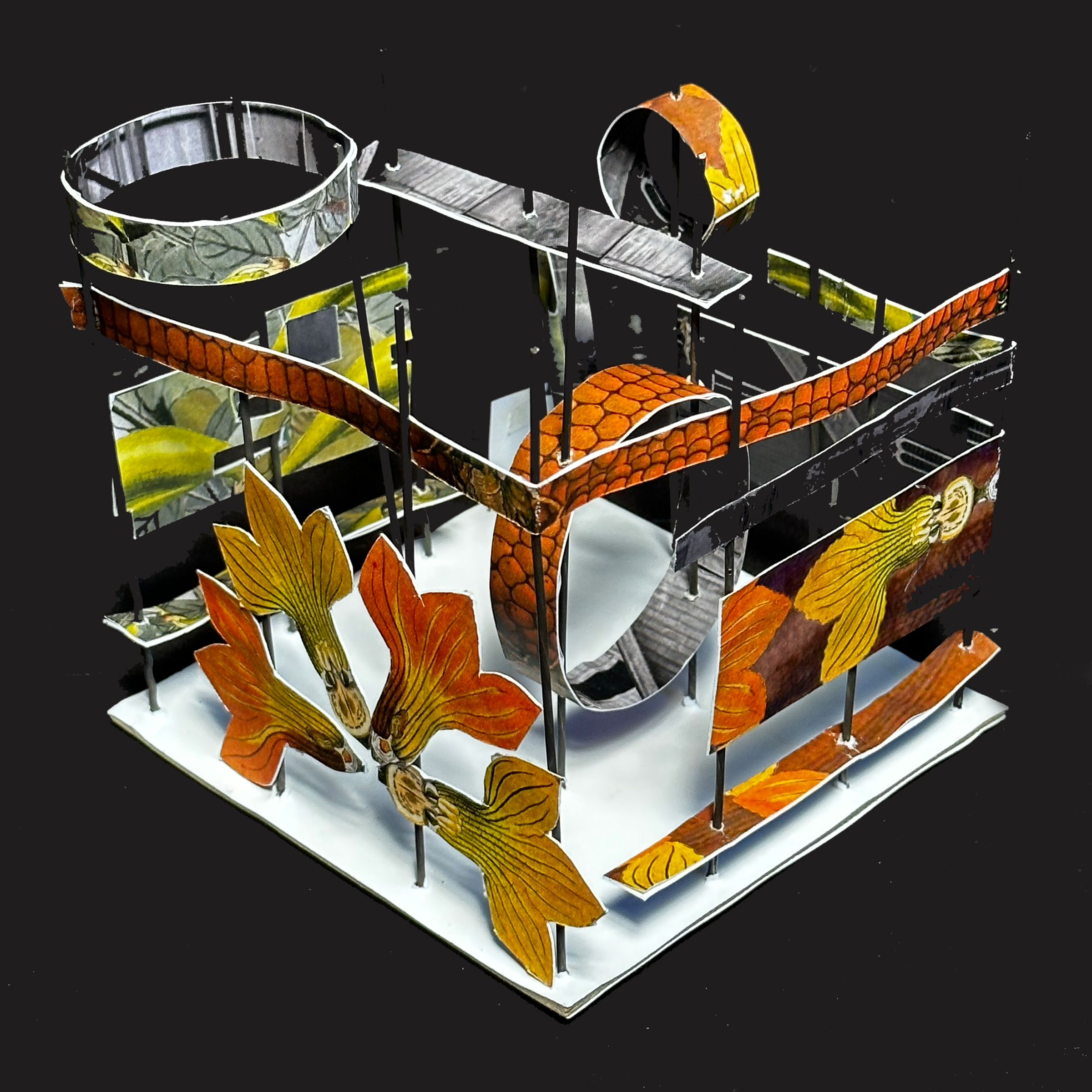
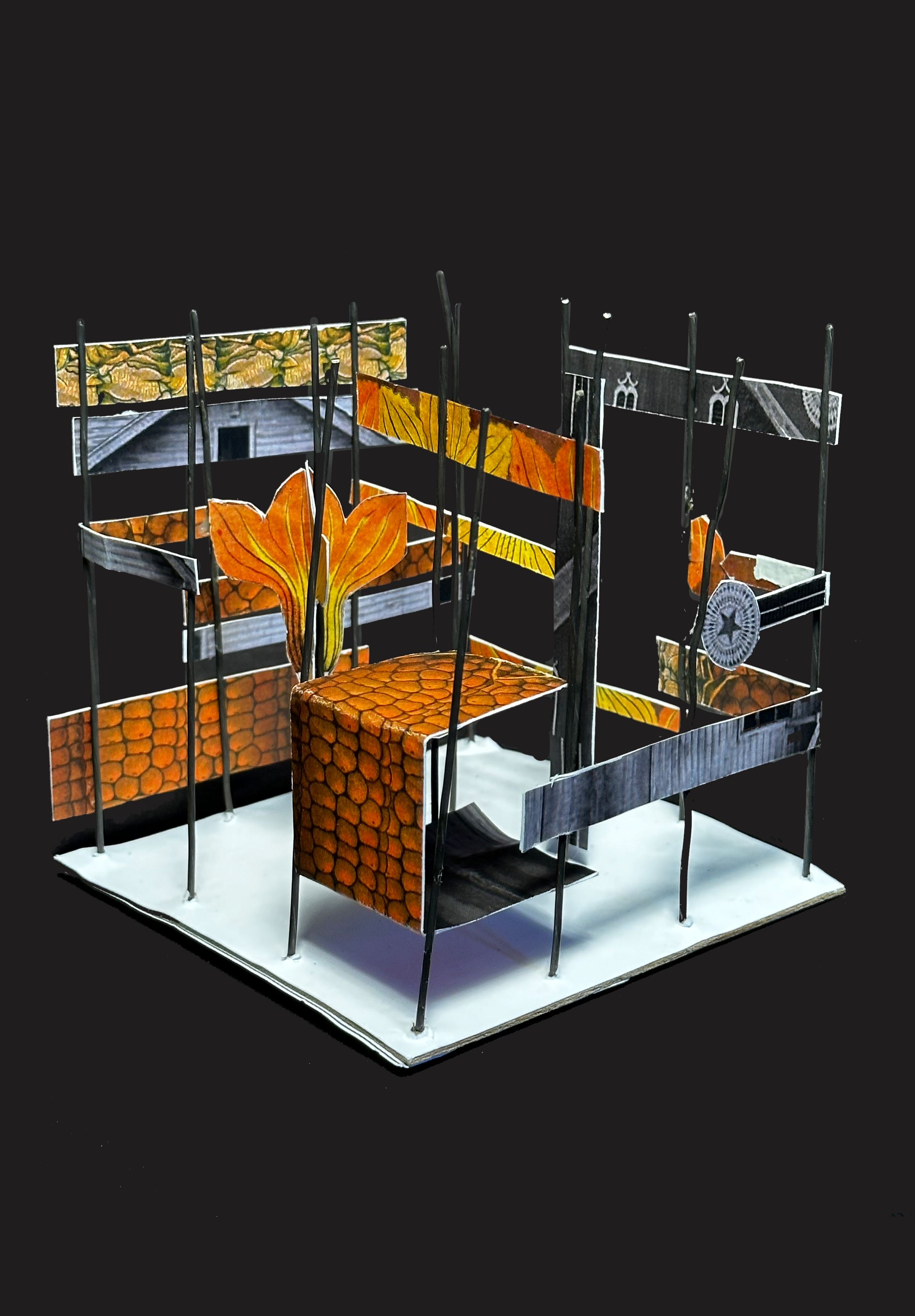
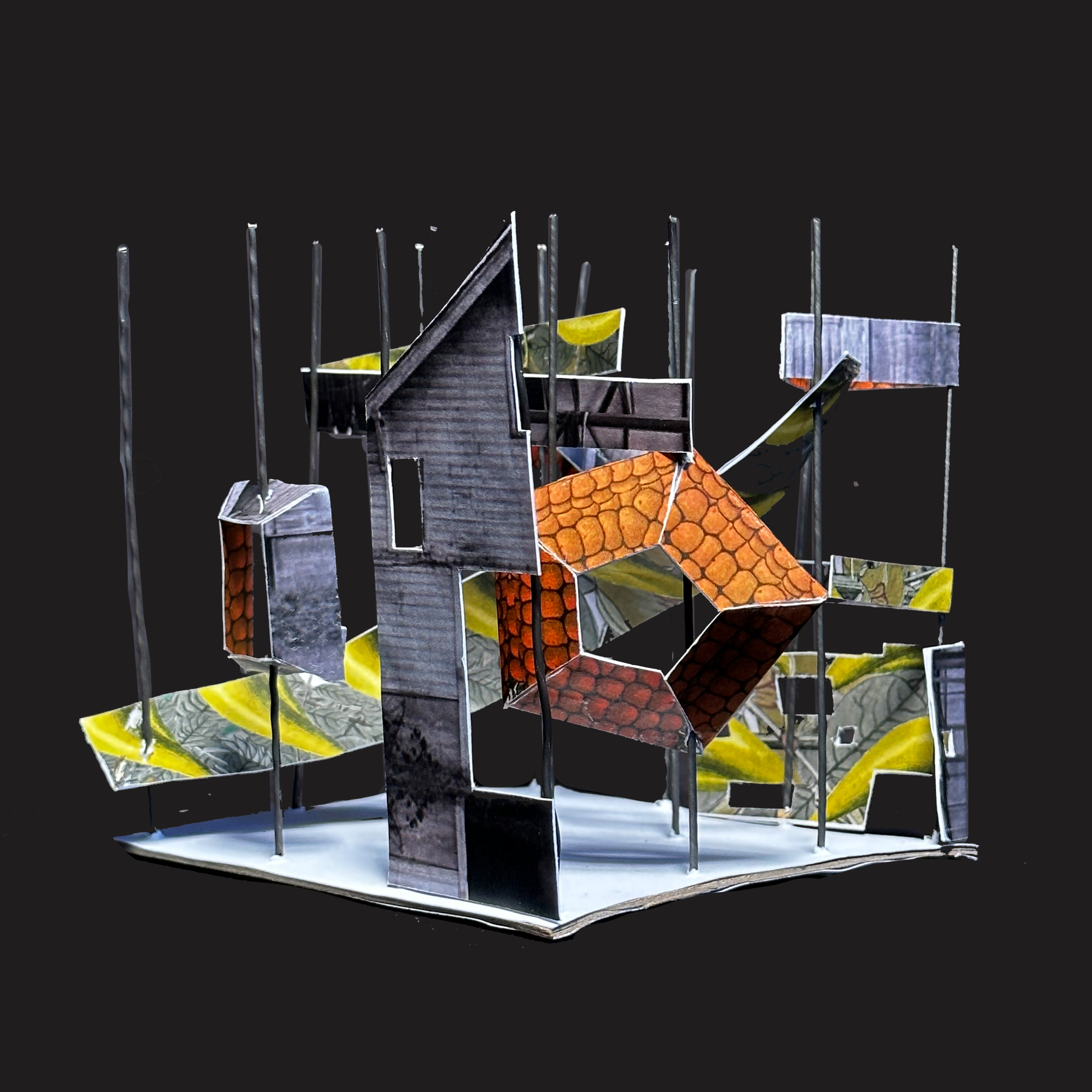
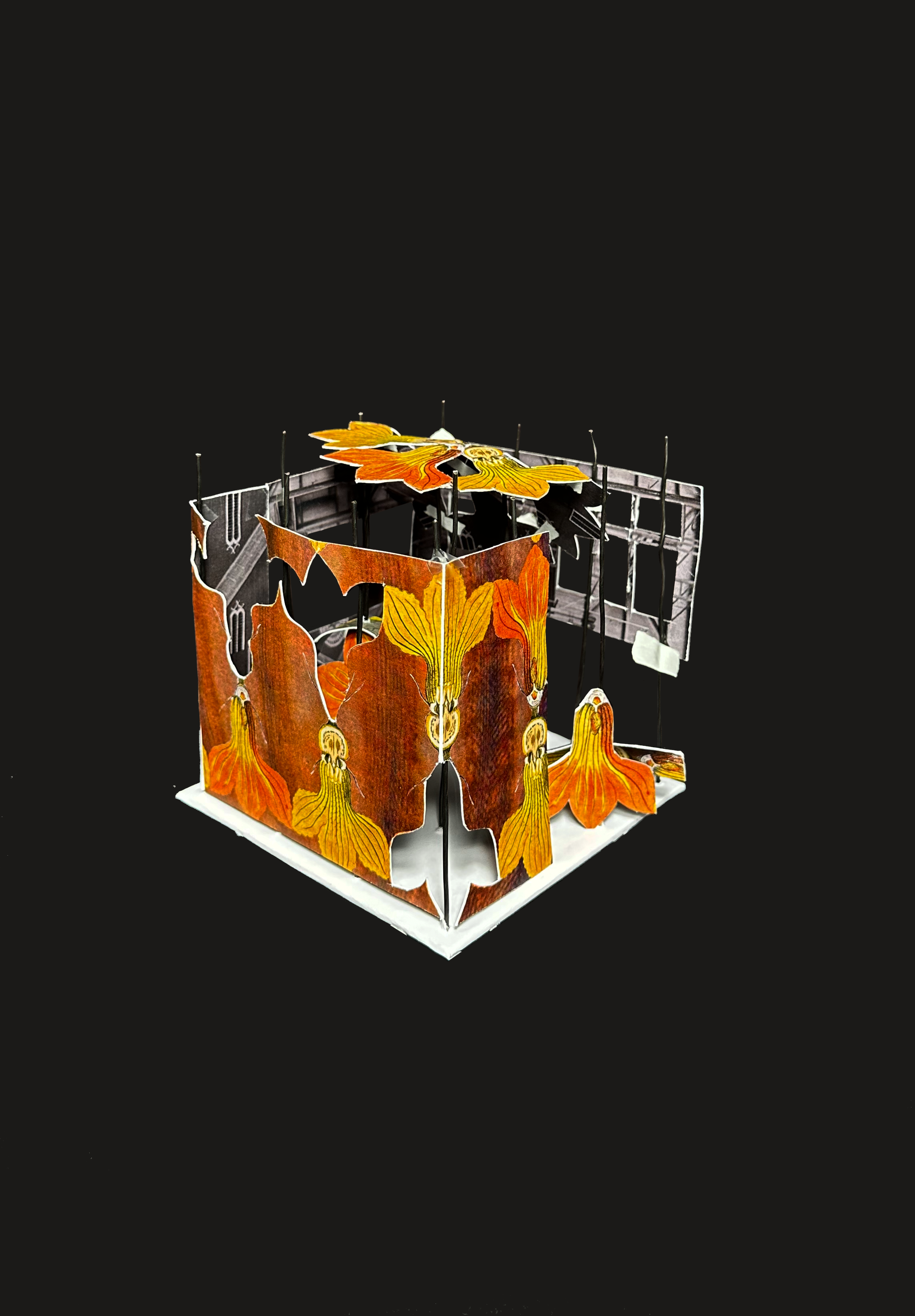
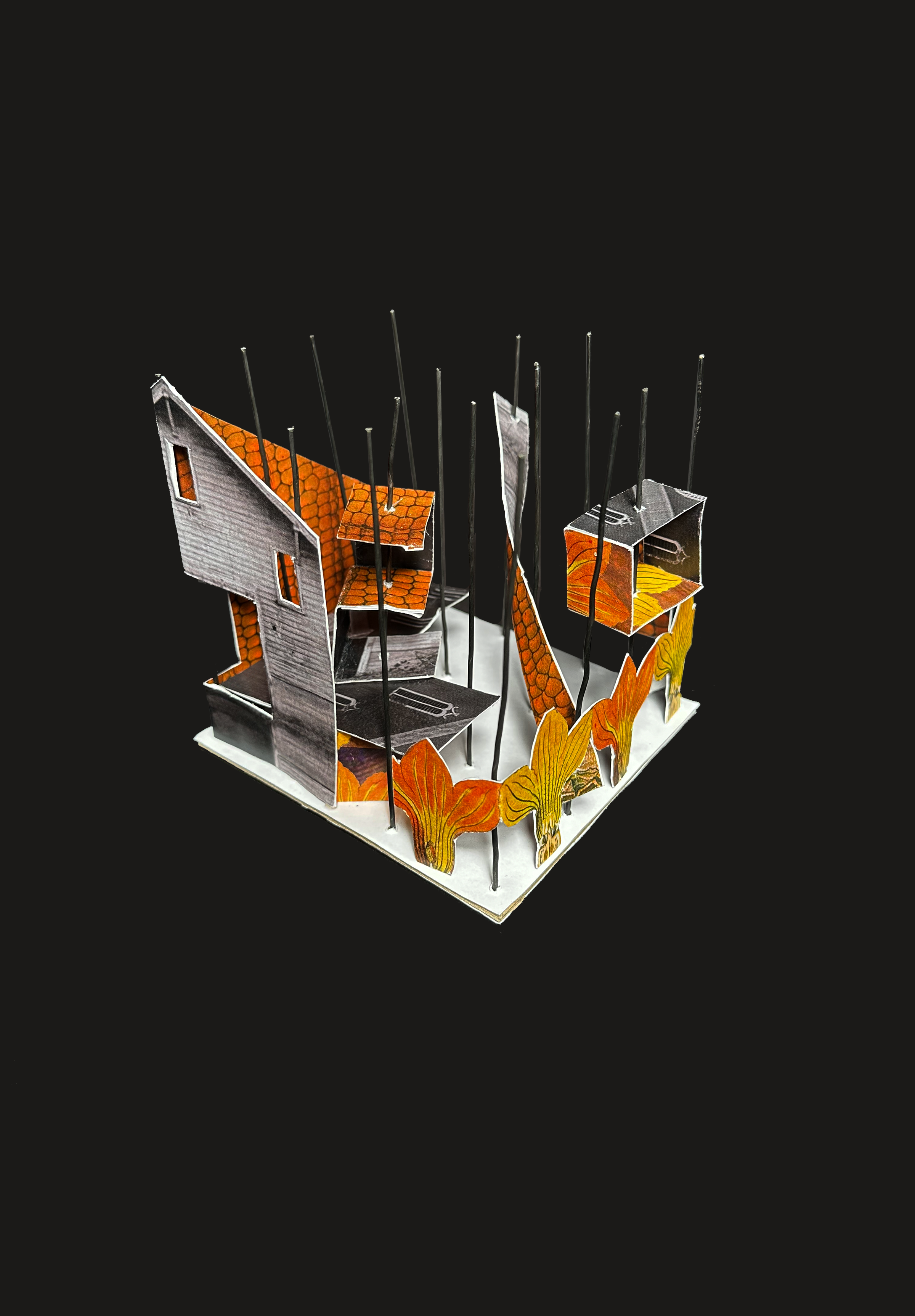

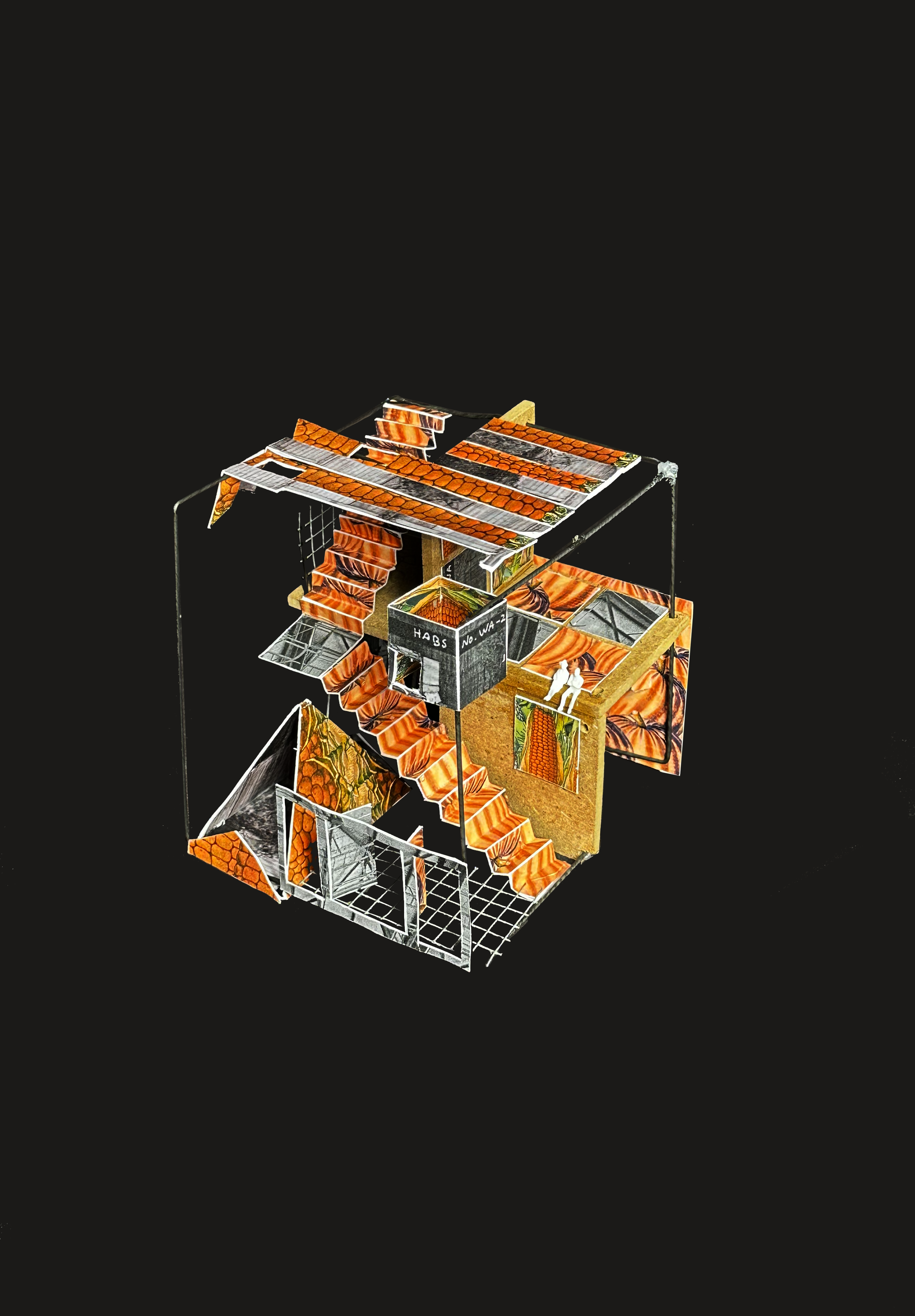
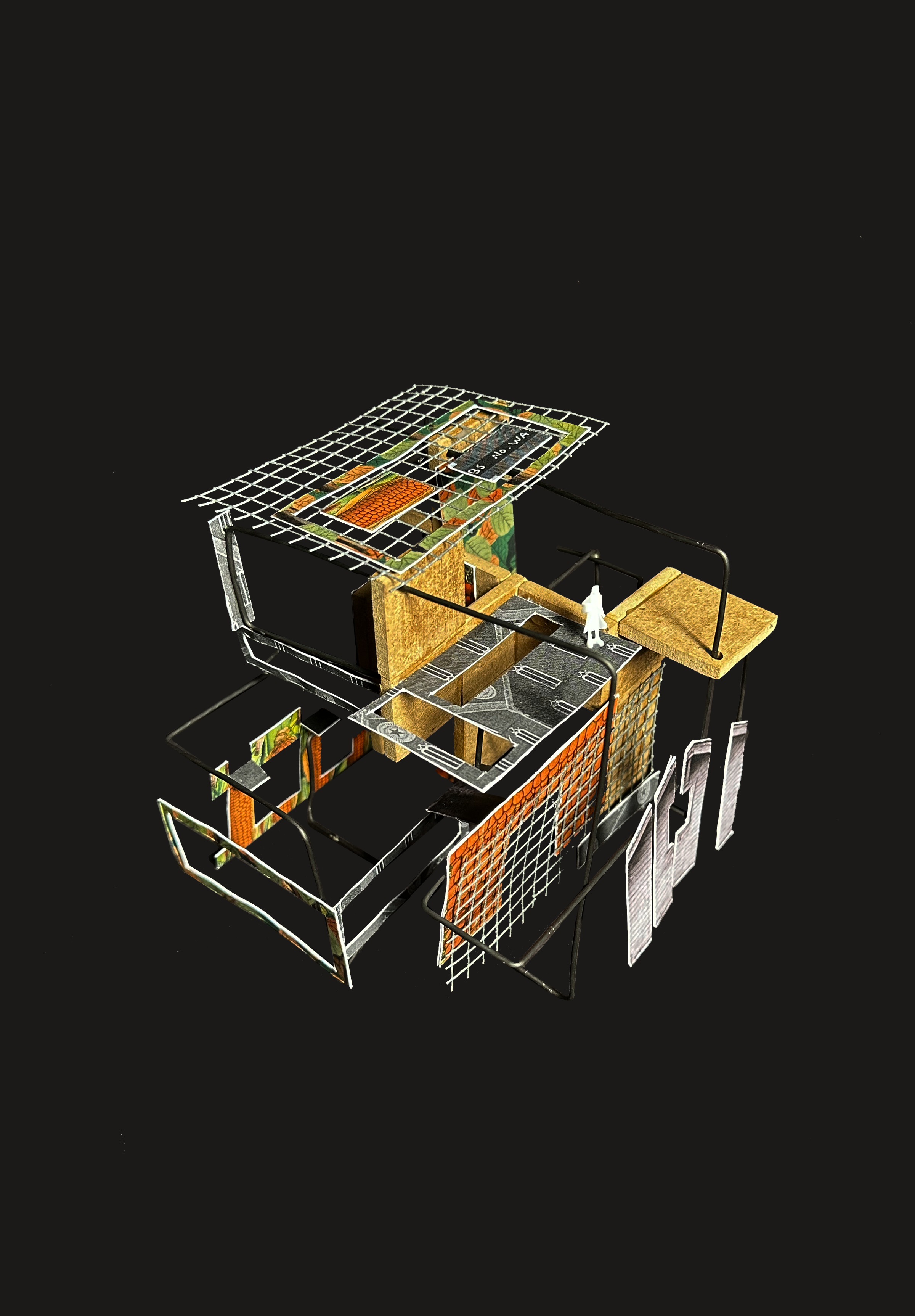
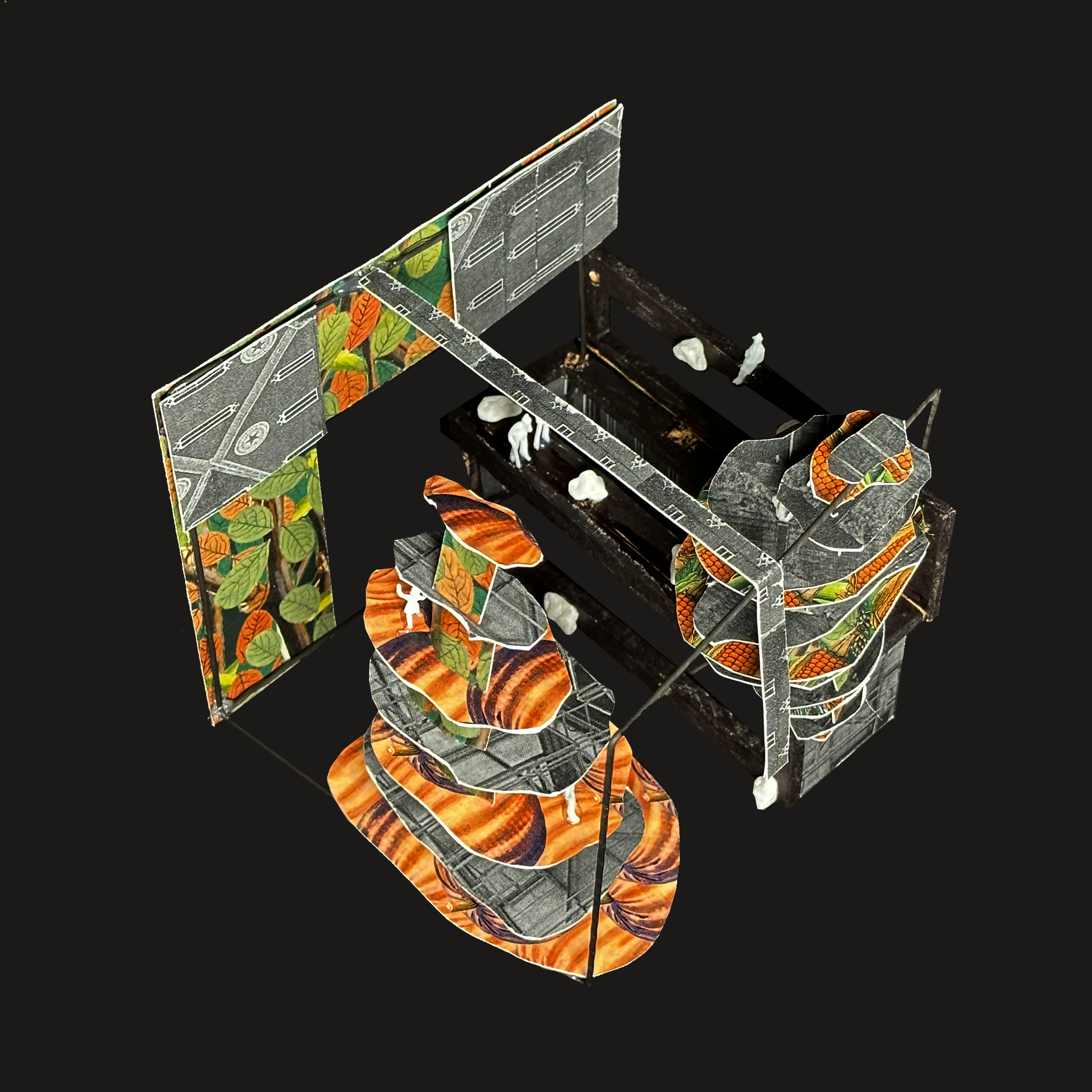

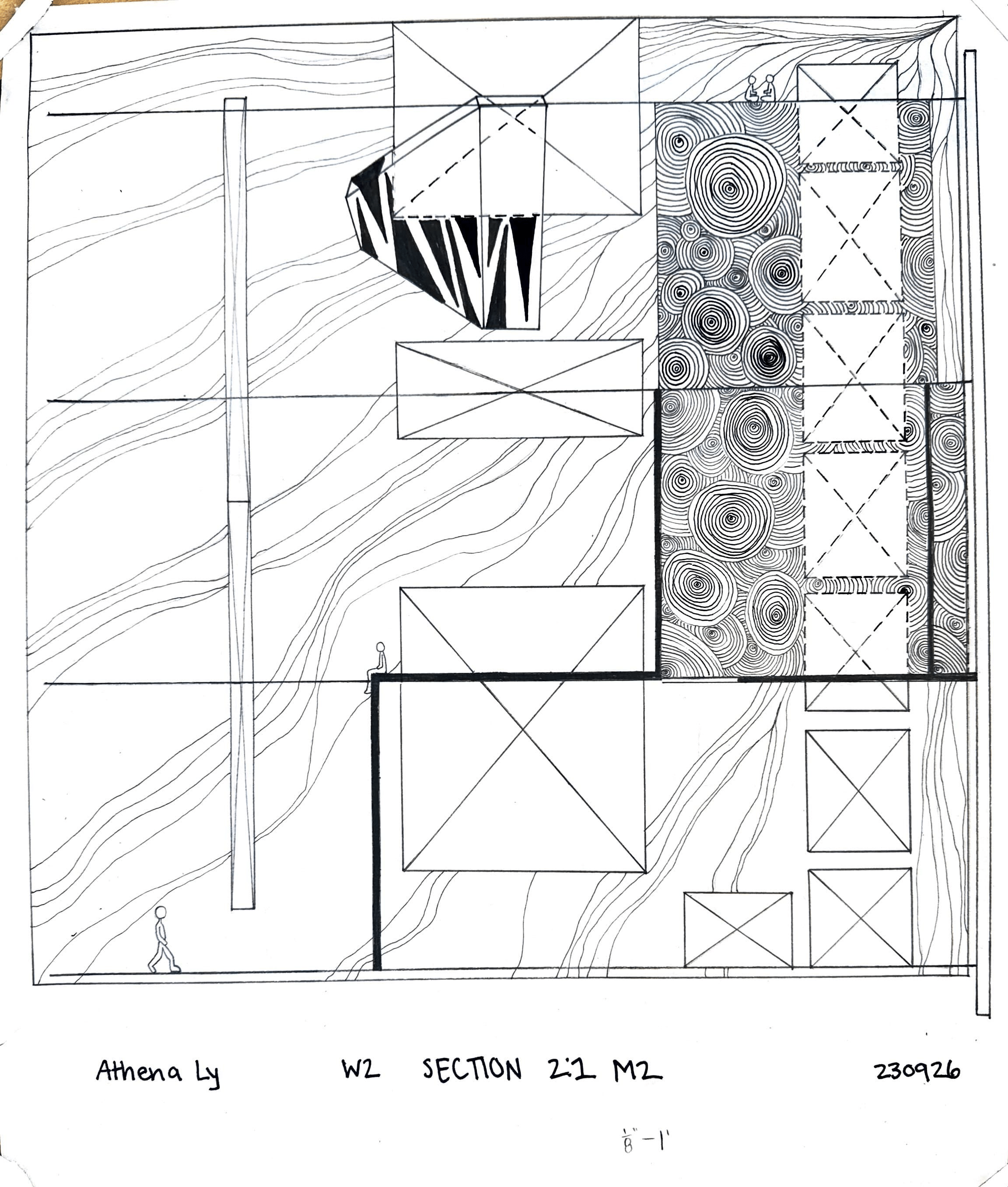
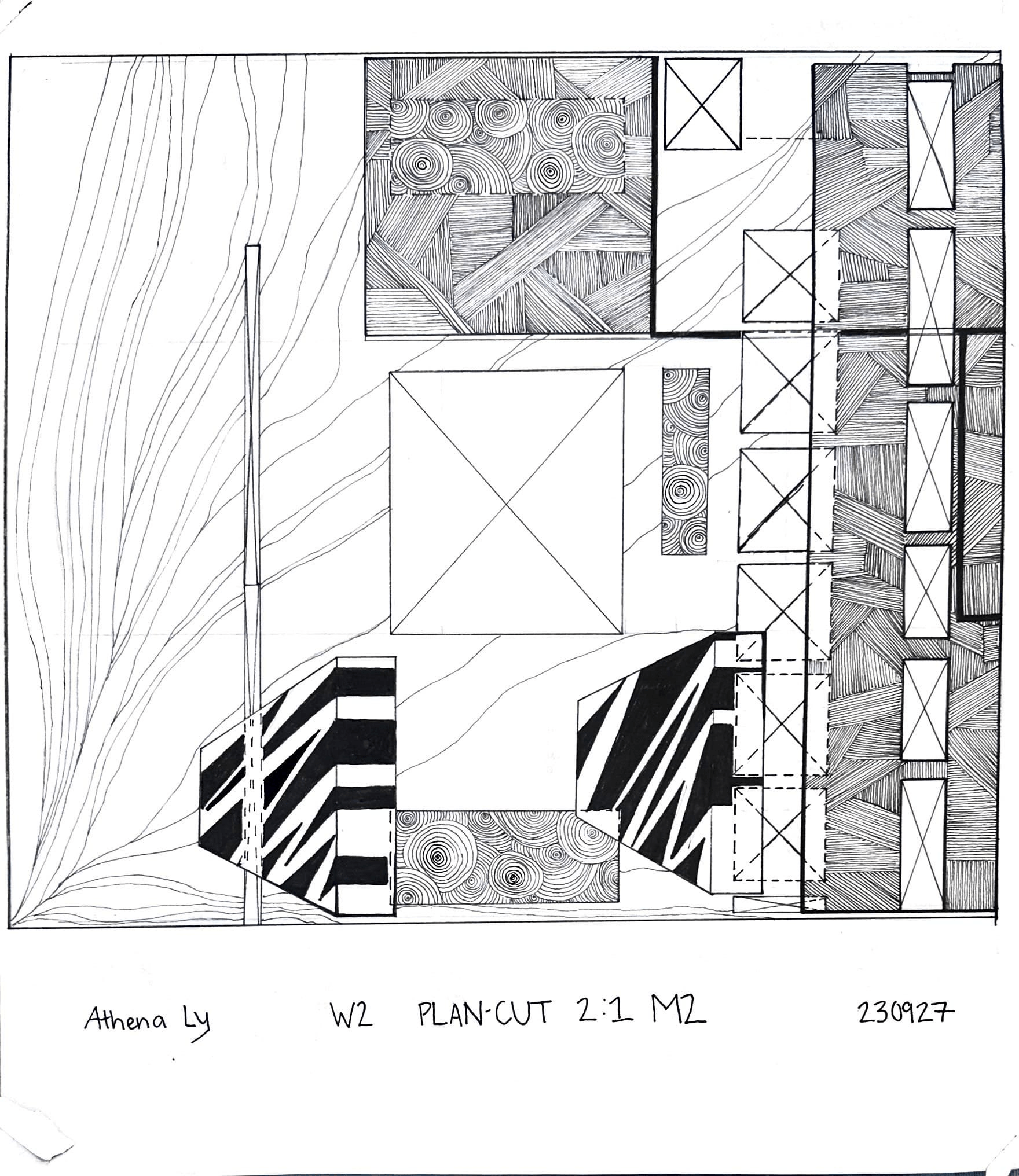
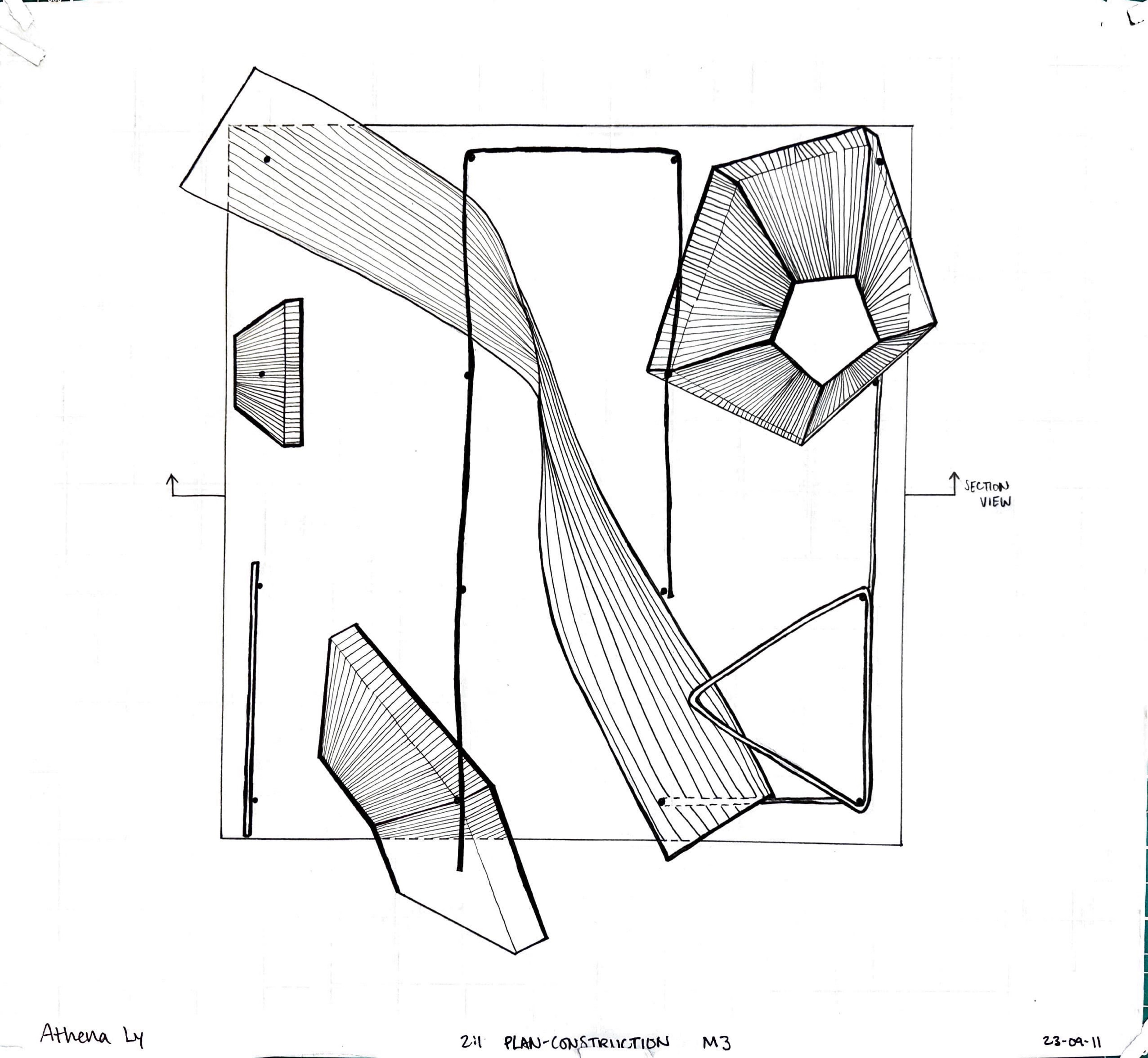
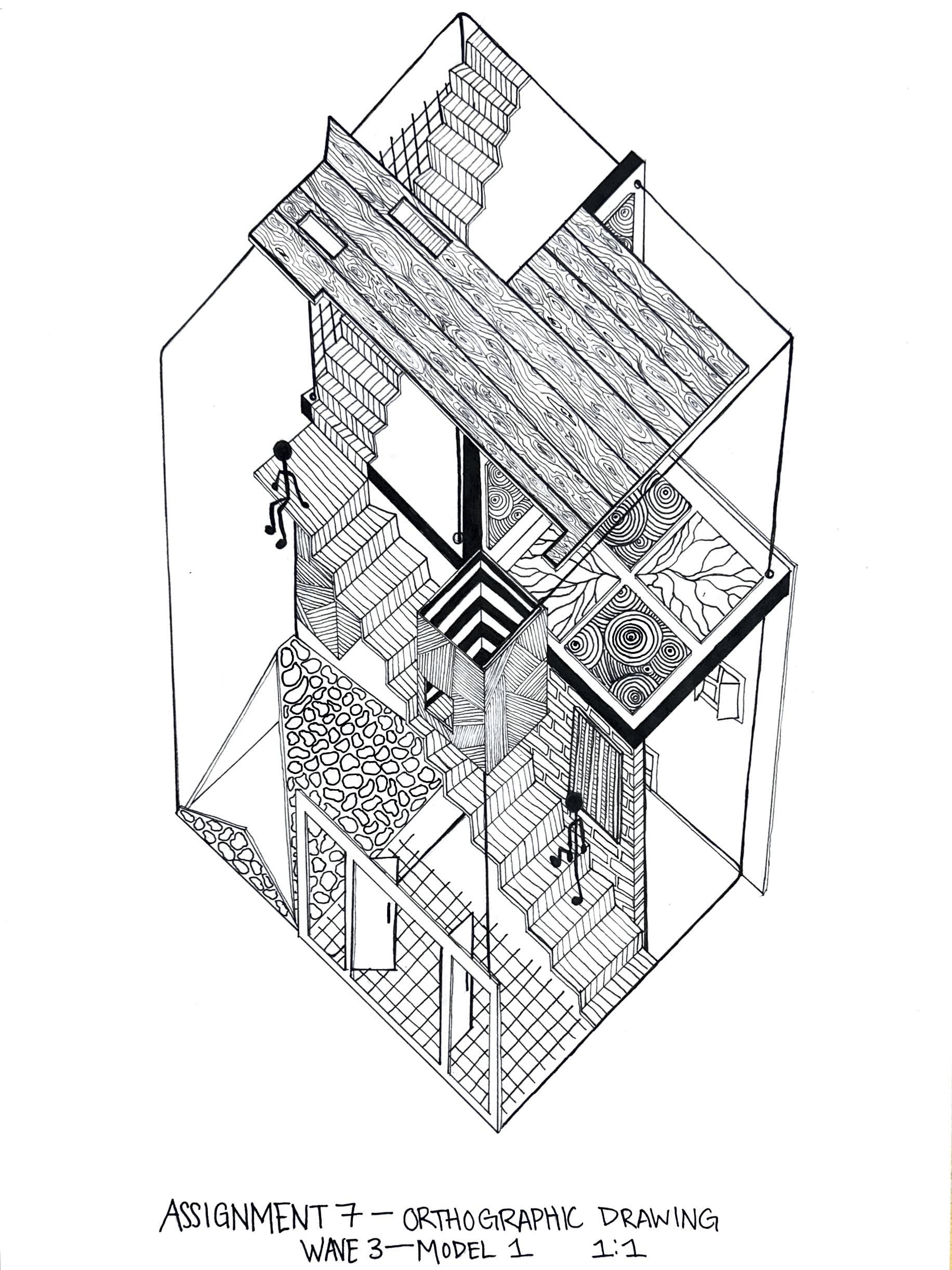
Used various textures to create a more practical space, makes the model easier to view as an interactive piece rather than only abstract art. Scale: 1/4″ – 1′.
Wave 4: Learning Rhino
First-year fears:
Having never used Rhino before, much time was spent tinkering with various methods. After lots of trial and error, progress was made in small increments.
Wave 4, Model 1
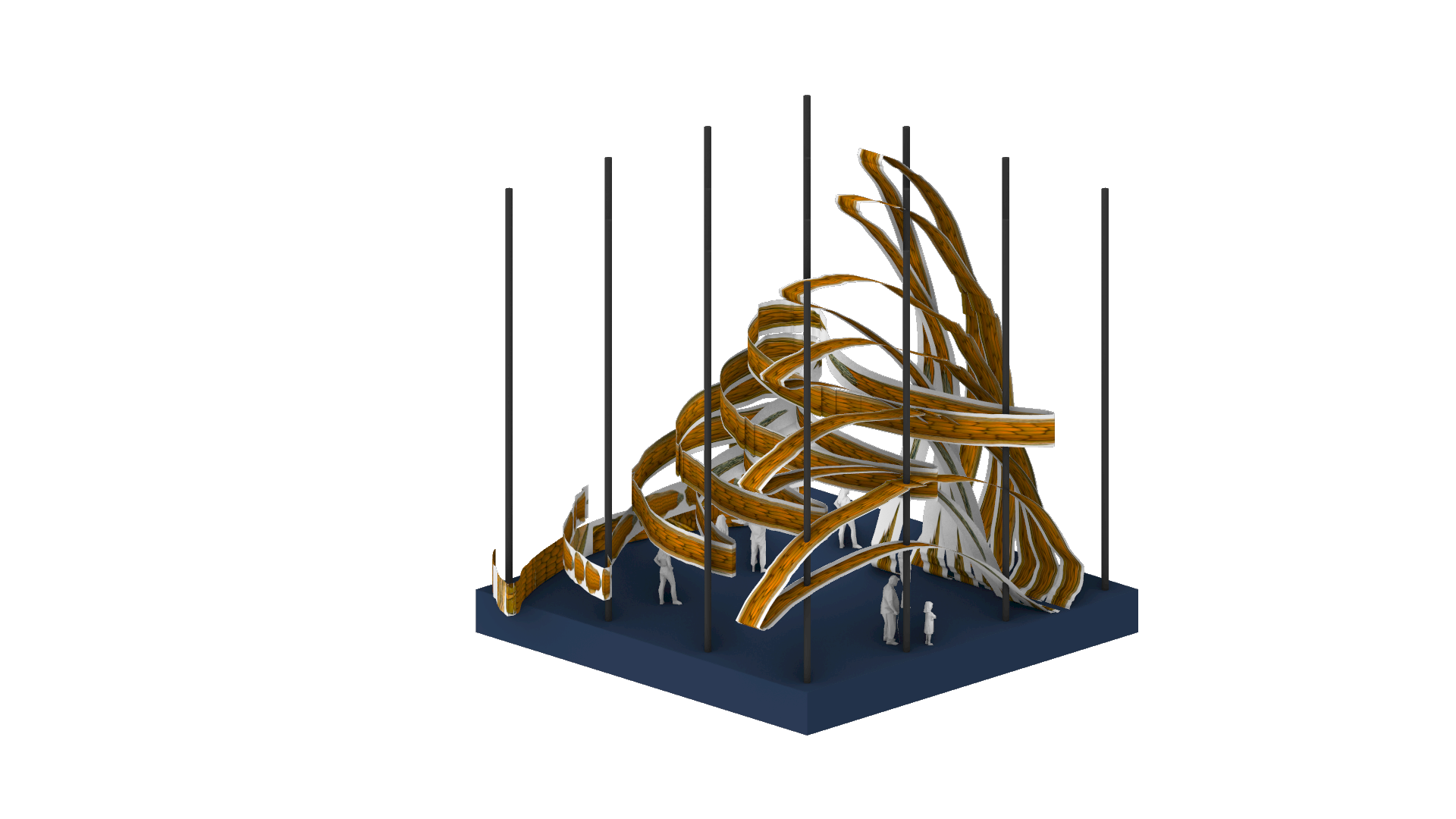
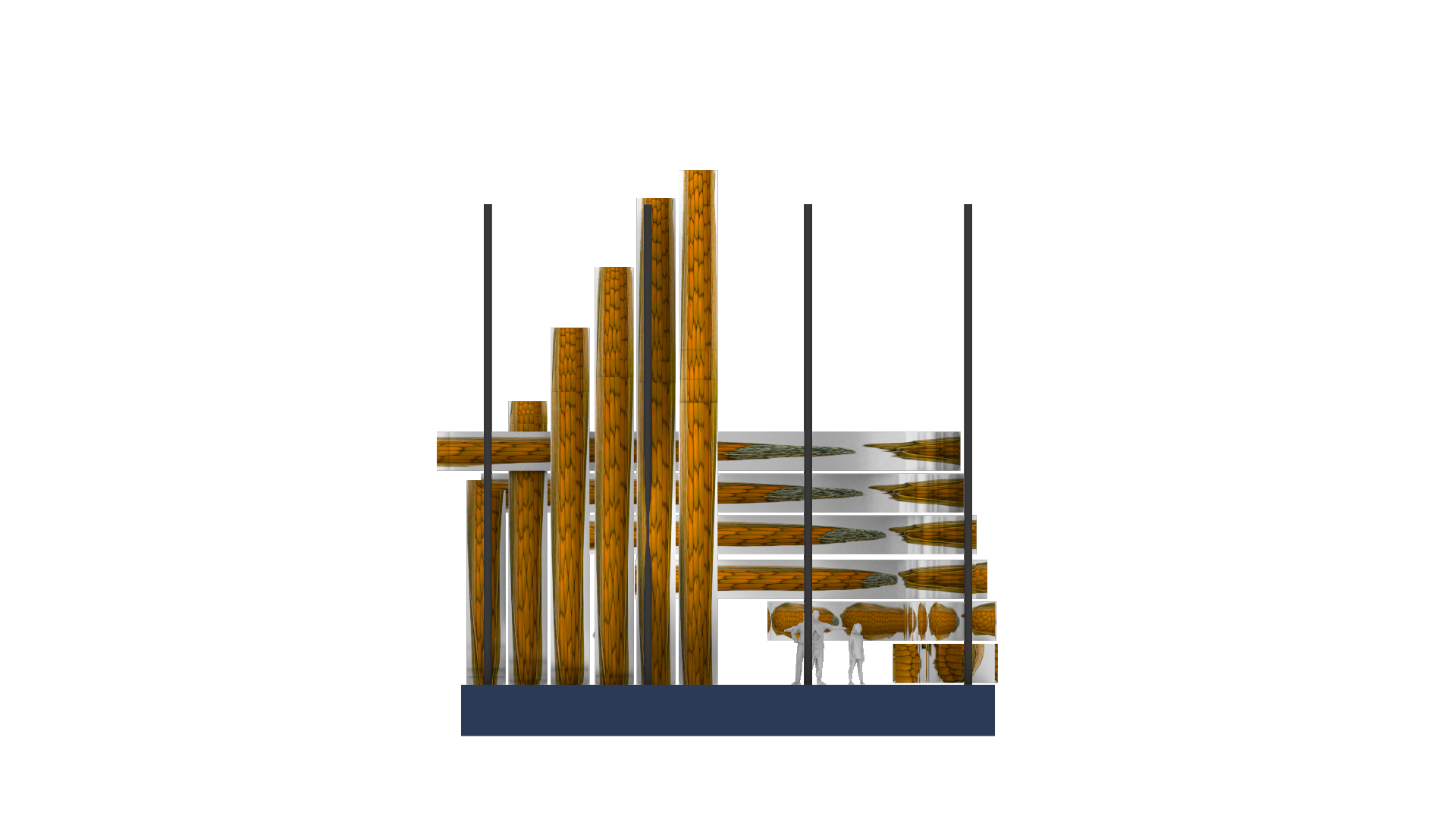
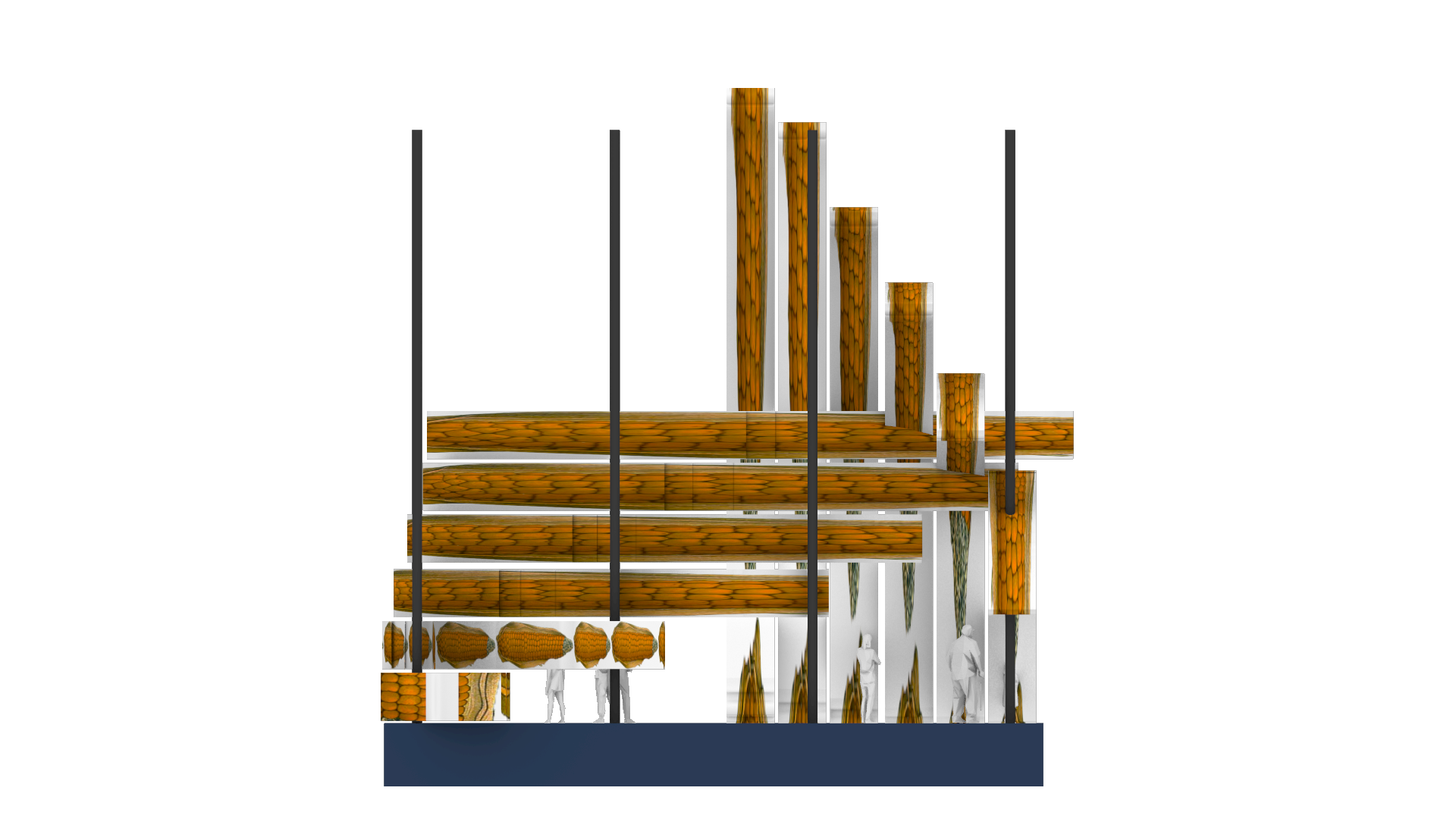
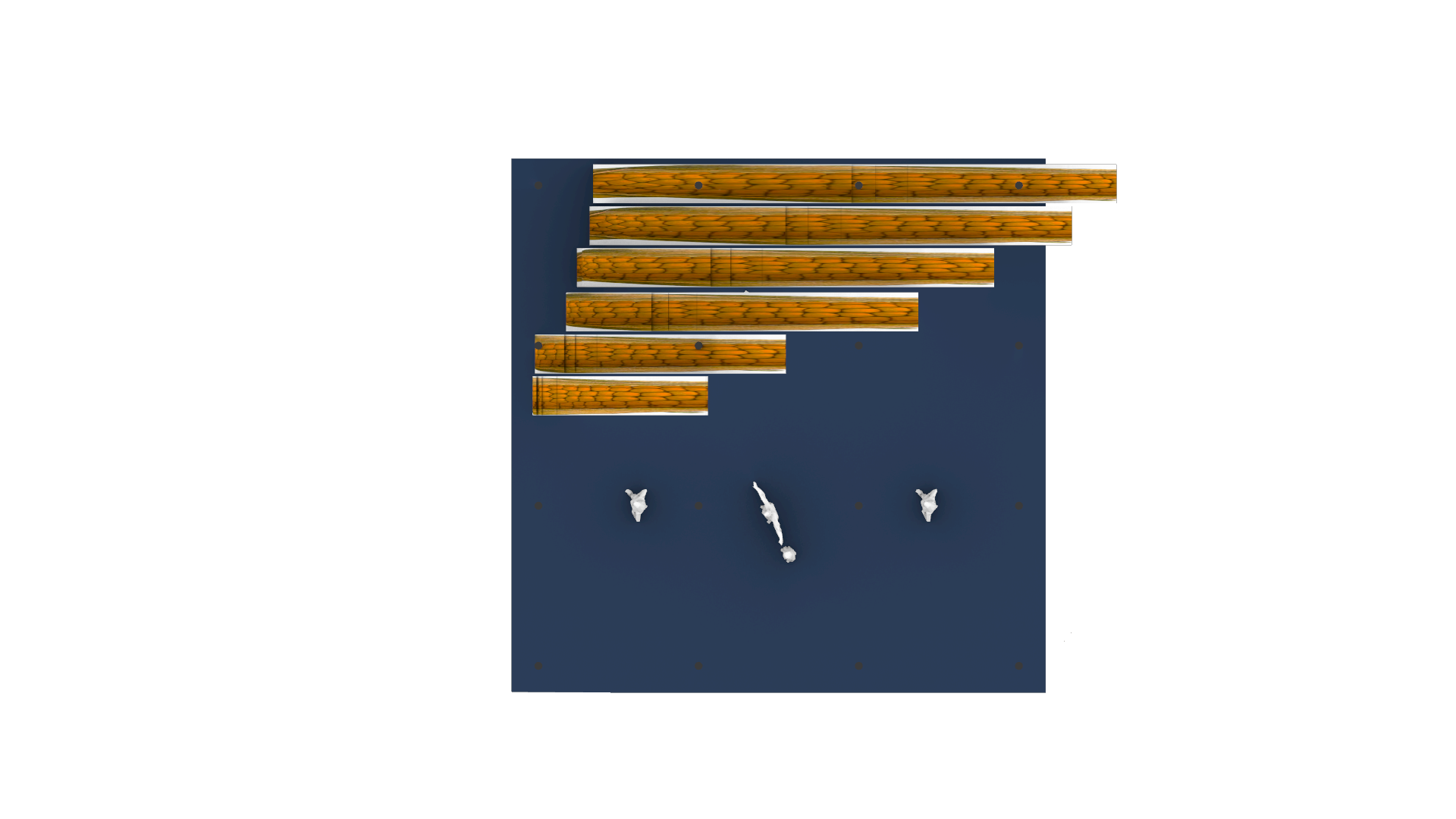
Very basic understanding of how to use the software; attempted to curve shapes without giving it much dimension. Focused on patterns and how they can take up a space.
Wave 4, Model 2
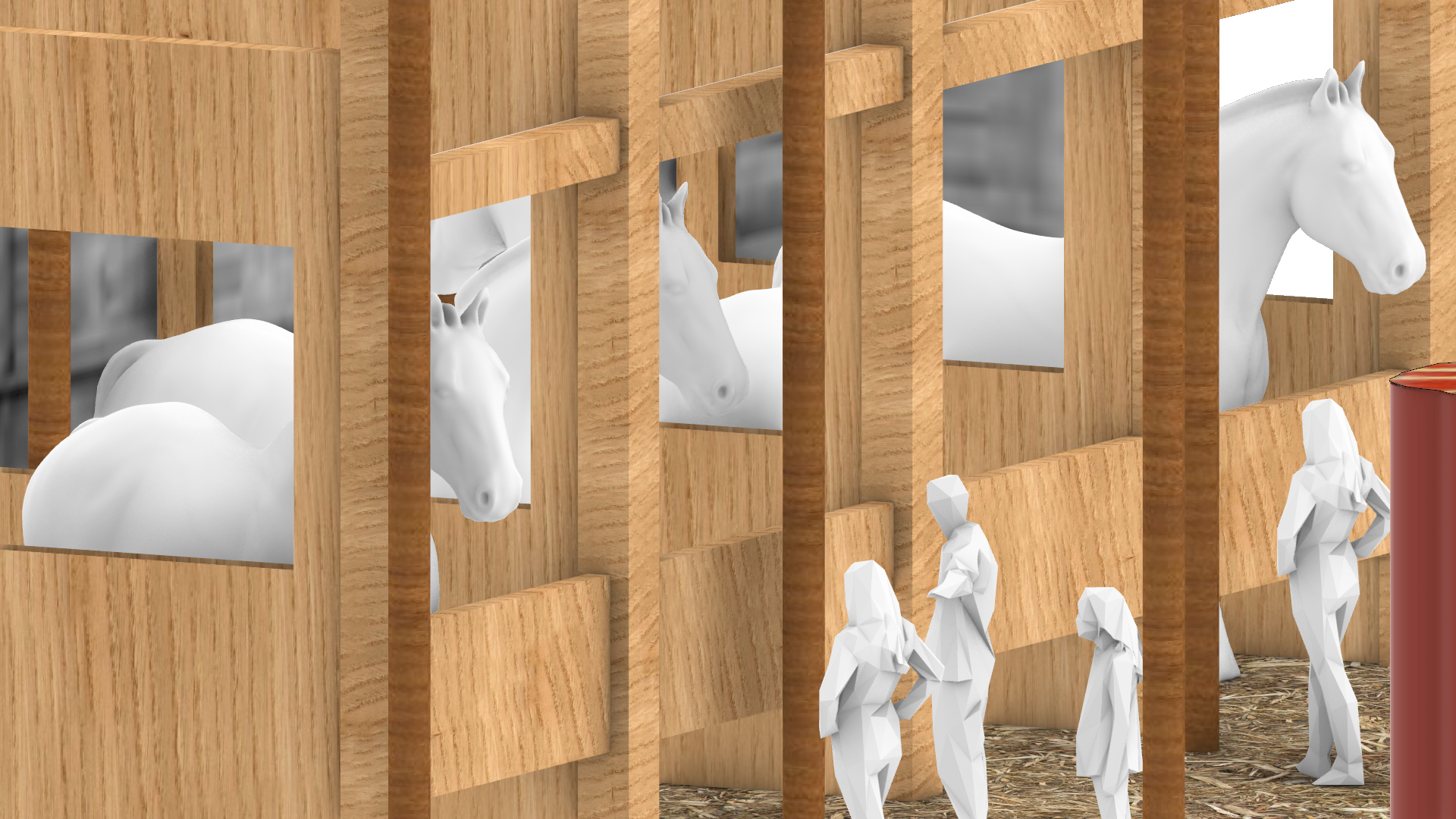
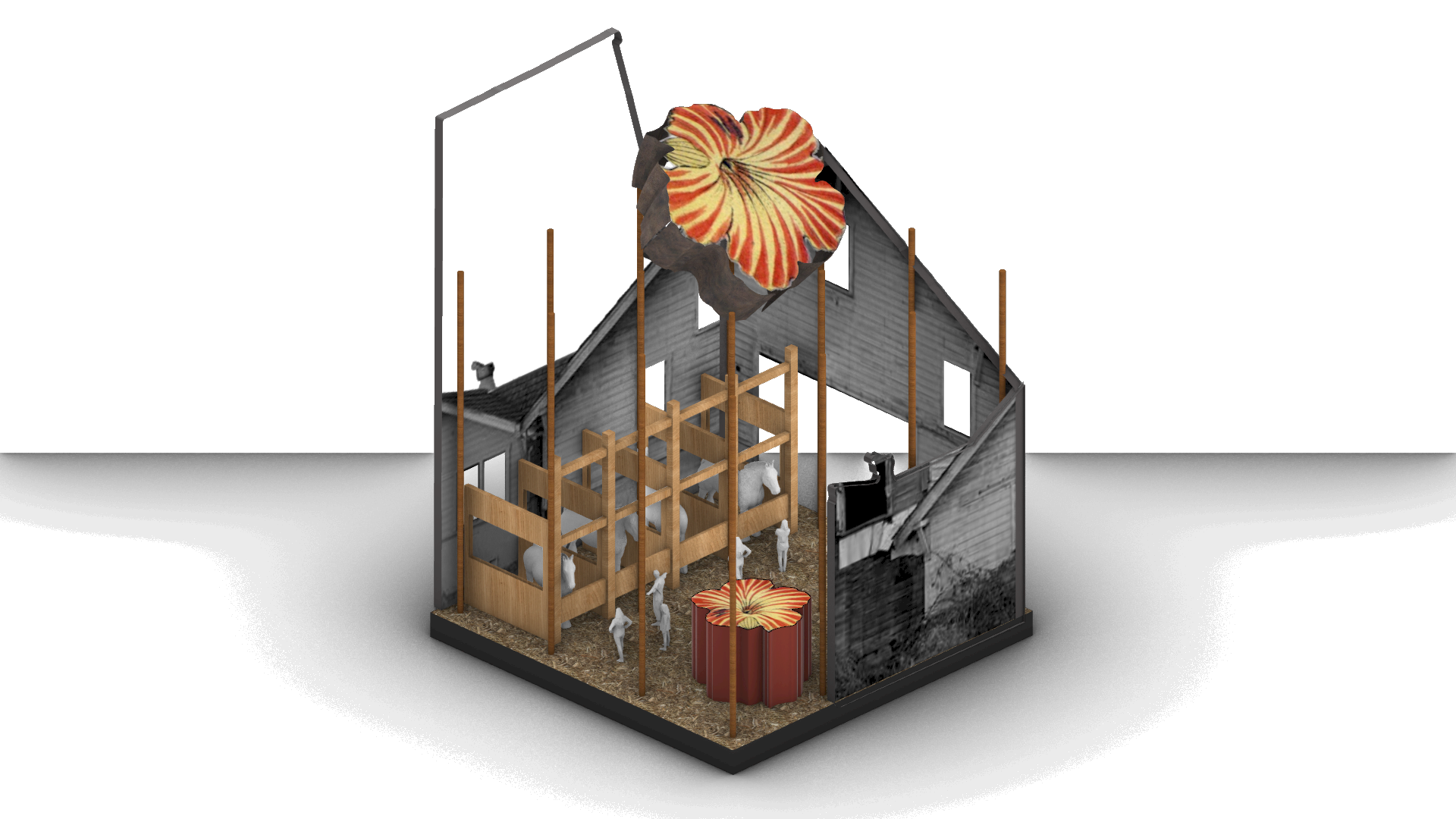
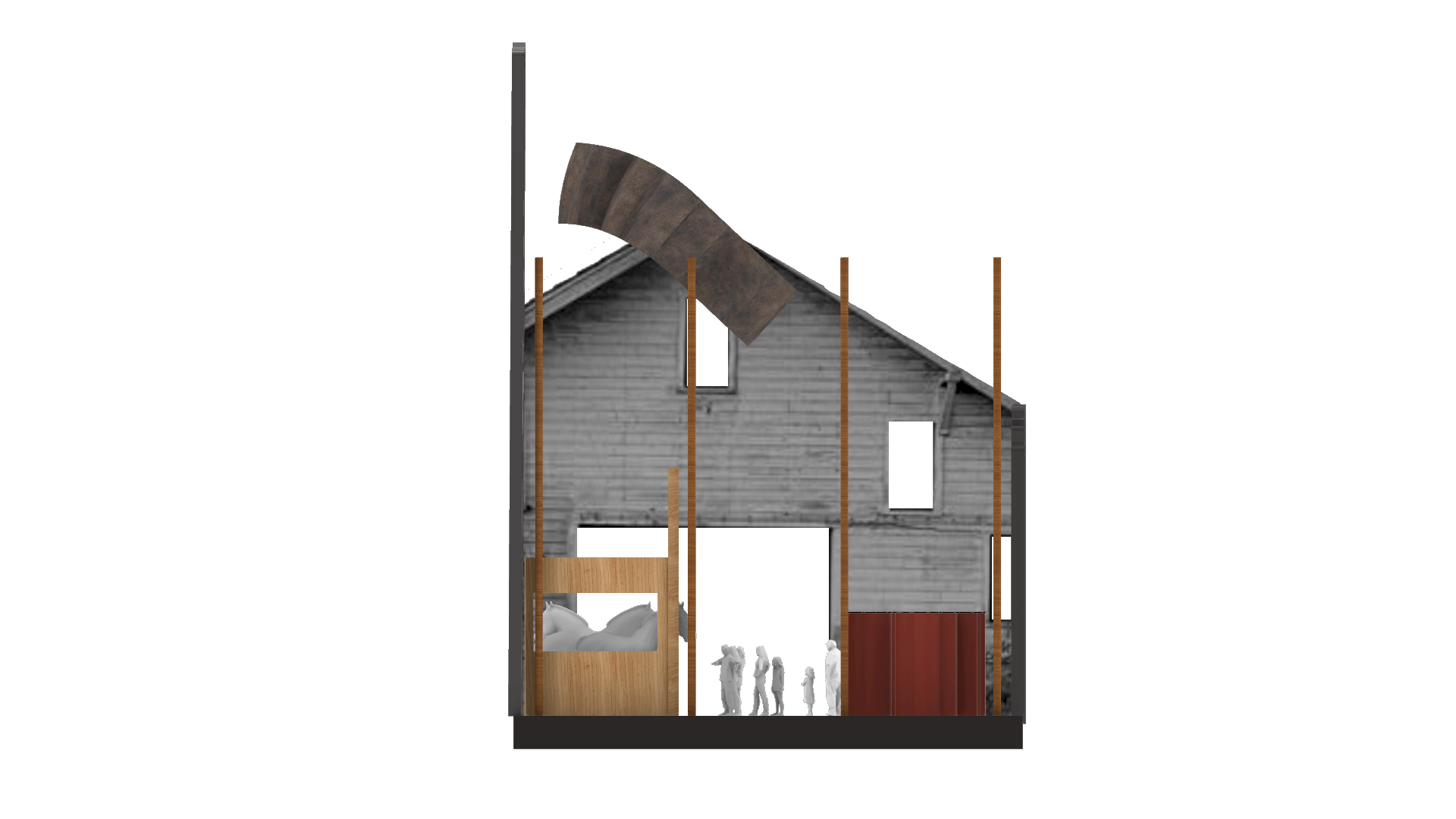
Learned how to import 3D files from external sources — allowing for the addition of a horse — and began importing different materials into the model, such as varying wood grains.
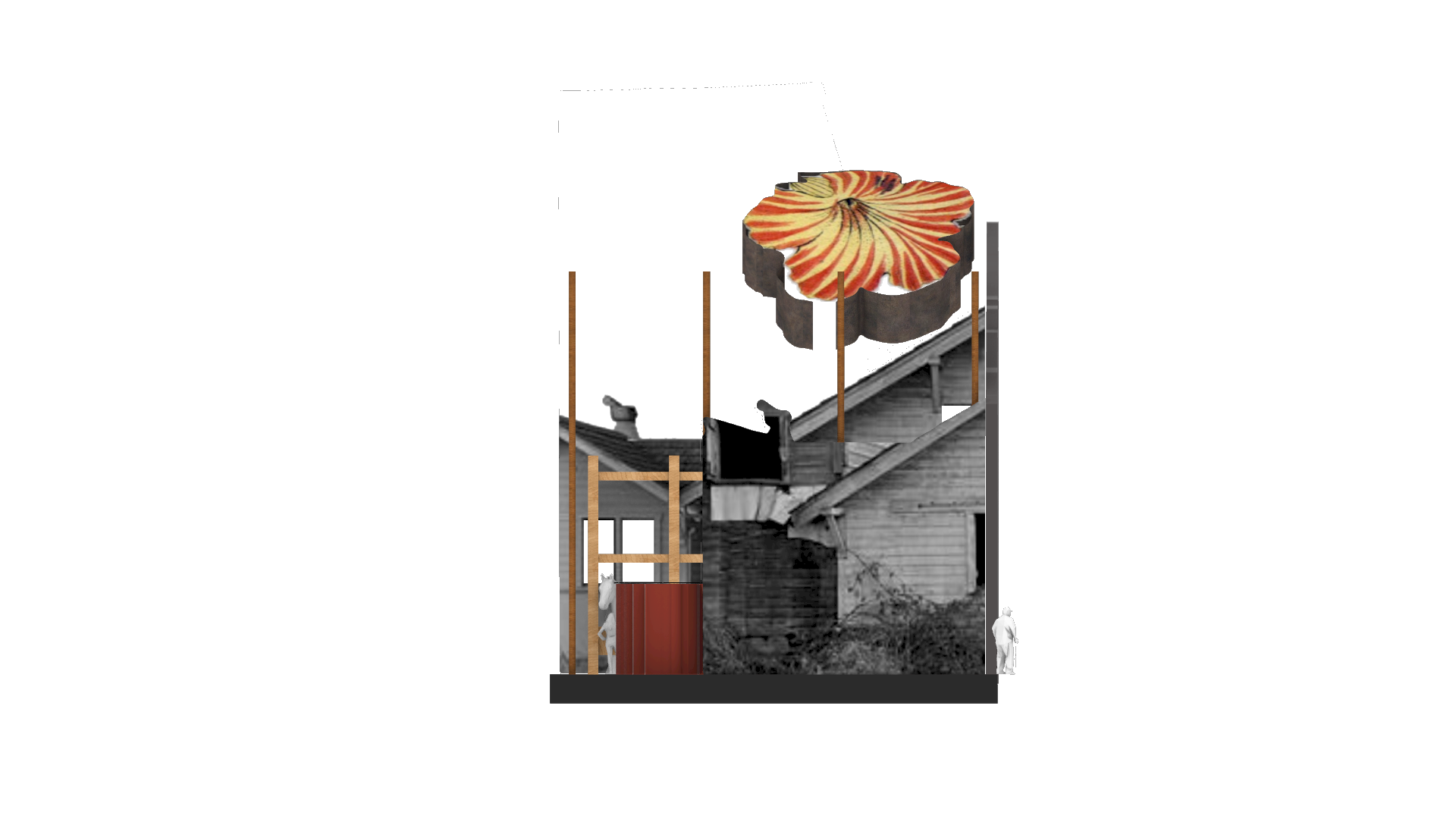

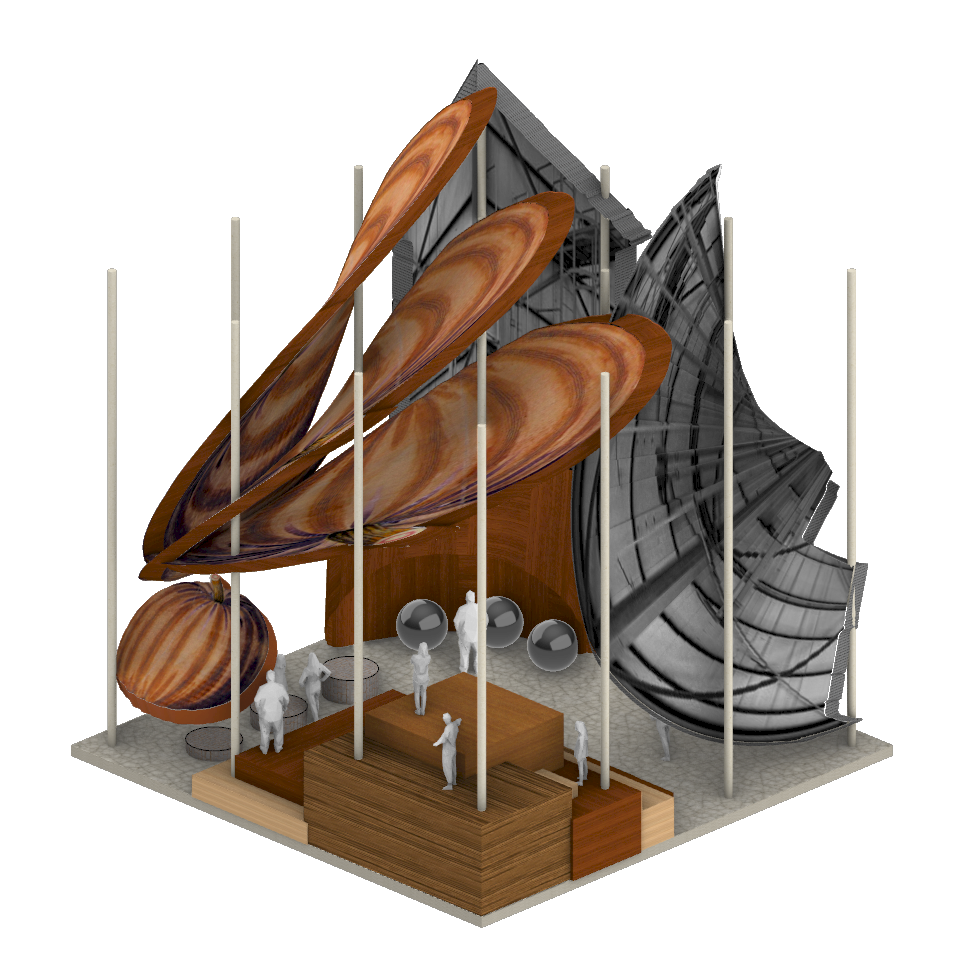
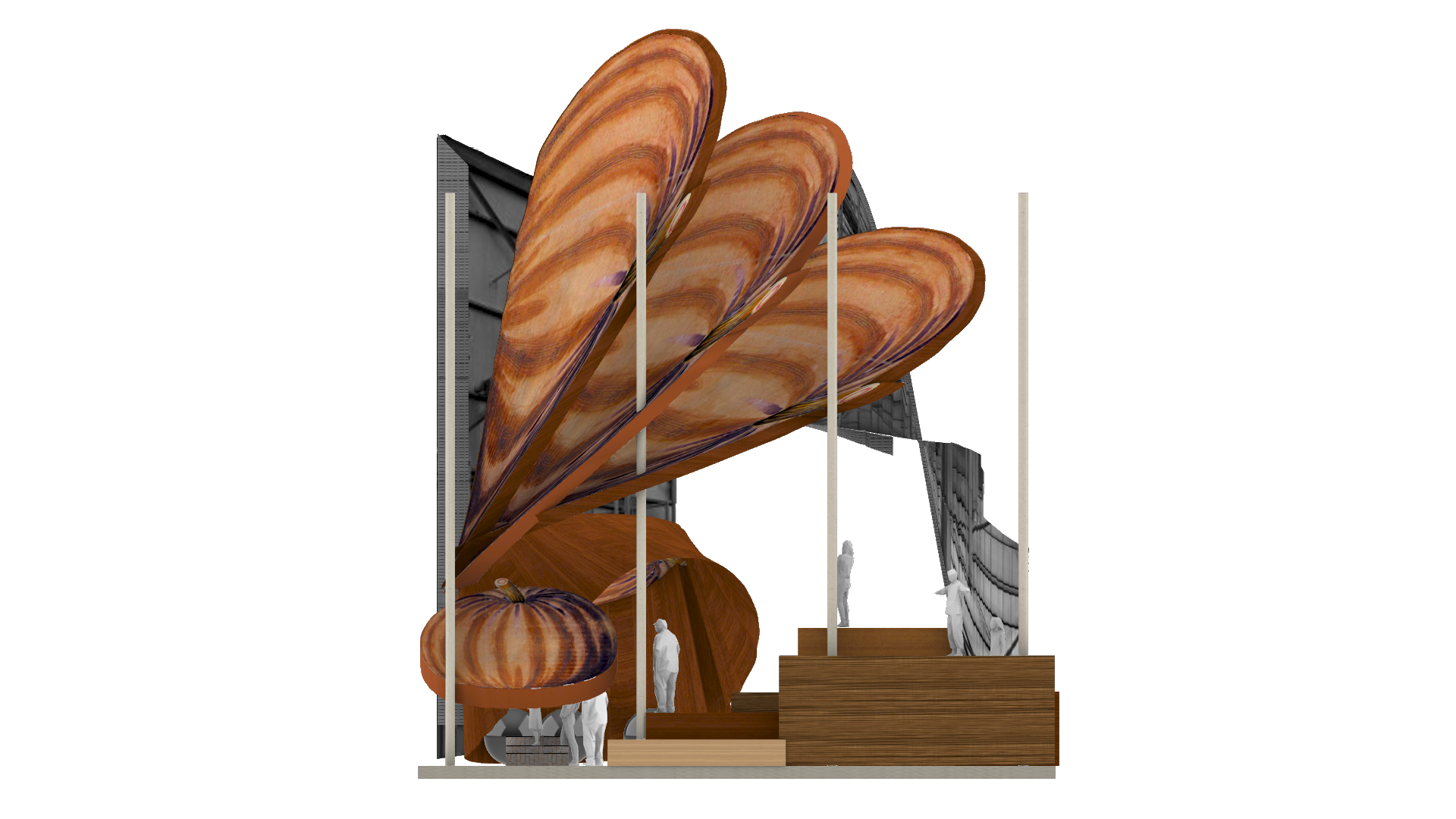
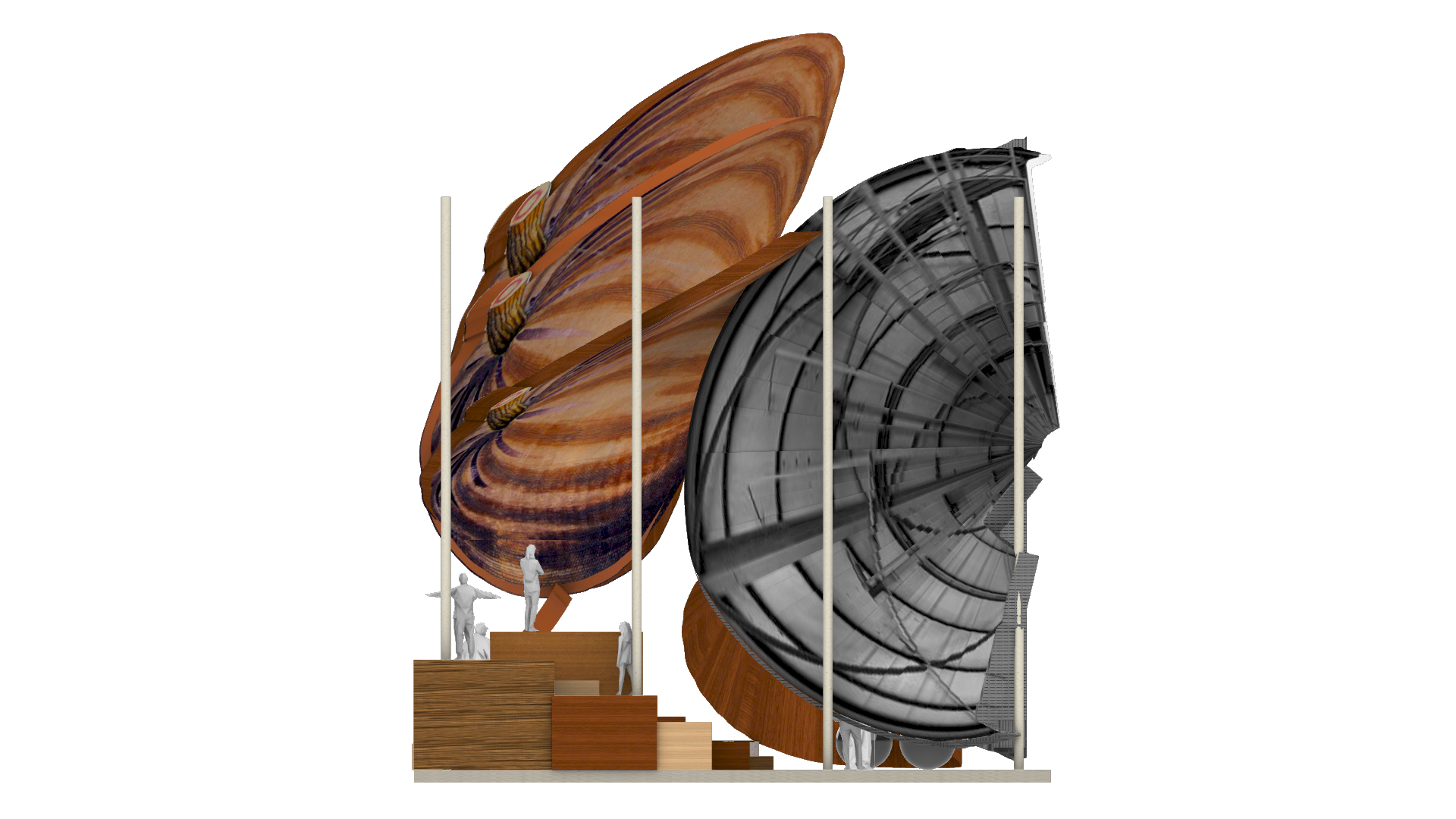
Wave 4, Model 3
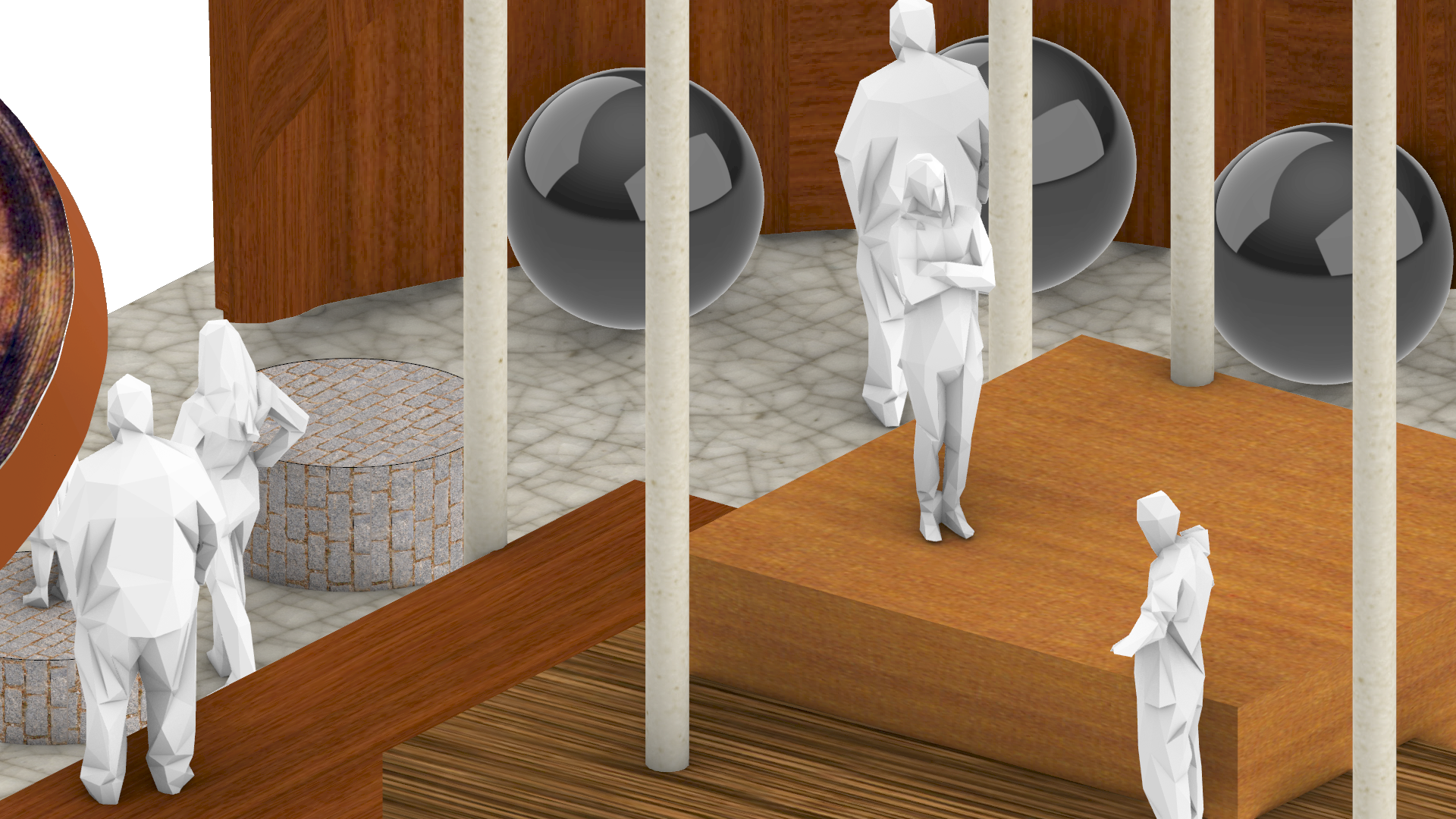
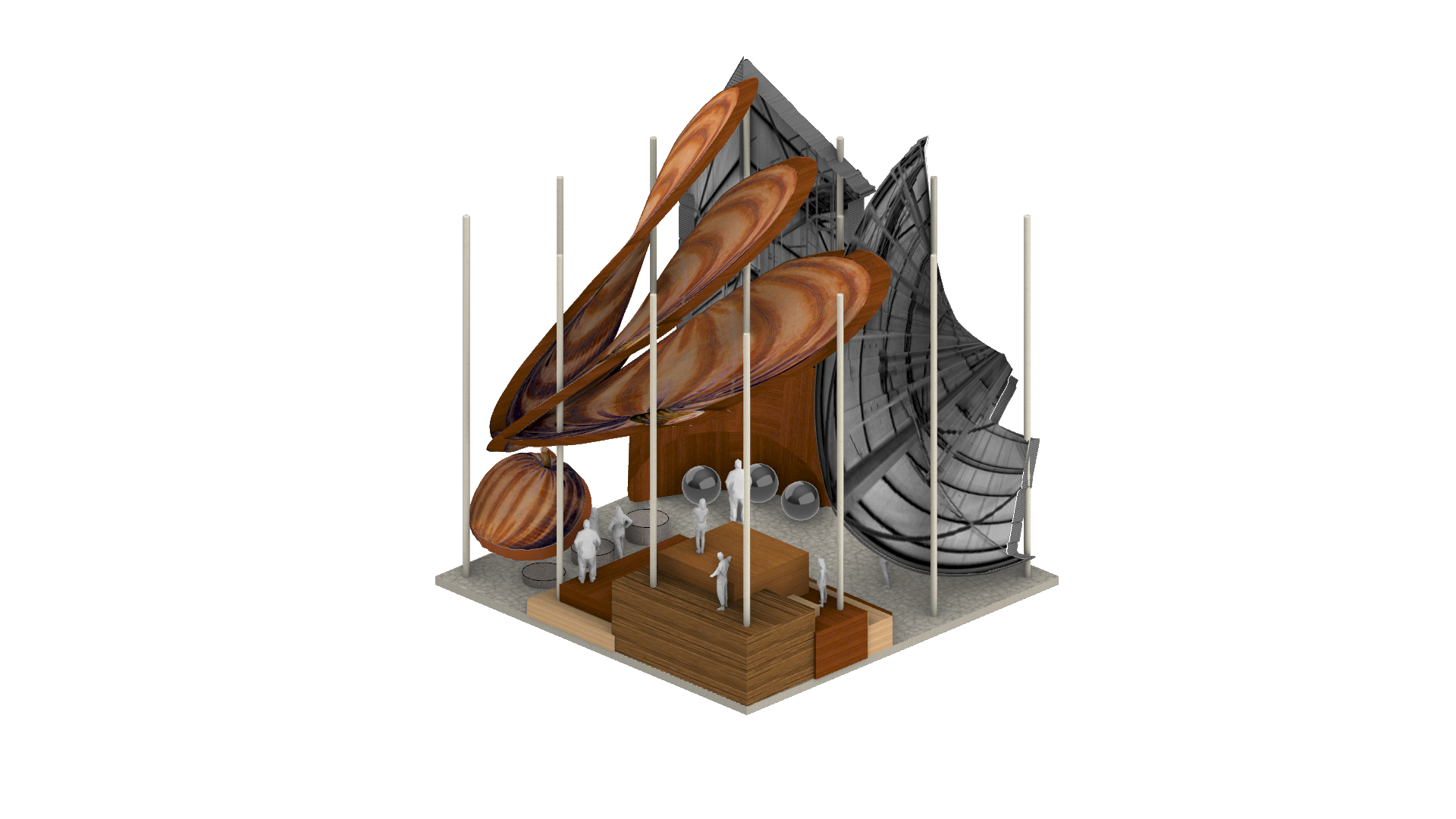
A culmination of the previous Rhino models, using six types of wood and importing other materials, such as marble, stone, and granite, to create a public space with abstract shapes. Considered roofing, pieces to engage with, and overall flow of a public area.
 Athena Ly